The Elder Series: Redefining Aging through AI
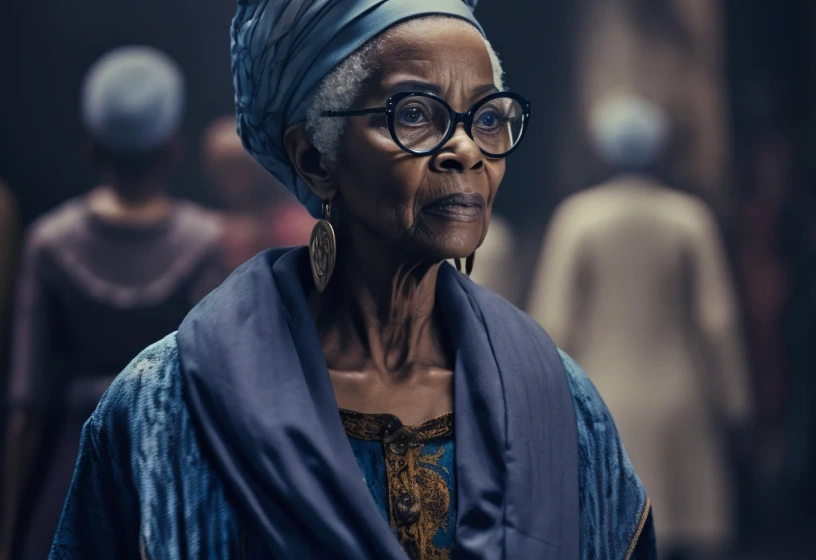
In the world of art and technology, few projects have been as impactful as The Elder Series, a collection of AI-generated images by Nigerian artist Malik Afegbua. This series challenges stereotypes surrounding aging by depicting elderly individuals in powerful, vibrant, and unexpected settings. During his visit to the Luxembourg Sustainability Forum, our magazine had the opportunity to sit down with the digital artist for an engaging conversation about the vision and impact of his work.
What inspired The Elder Series, and what led you to use AI in your artistic work?
The Elder Series started as a personal journey for me. I was really close to my mother, but when she fell ill, I couldn’t connect with her in the same way anymore. So, I turned to art as self-therapy. I created digital images of people in that older demographic as a way to process my feelings. It wasn’t meant for the world initially, but when I shared it, the response was overwhelming. Artificial intelligence came into the picture because I could imagine and create without limitations and quickly depict something that didn’t yet exist in reality. AI was the best choice to push boundaries and create bold images of older people in ways that society hadn’t seen before.
How did AI contribute to creating “The Elder Series,” and how has it helped in breaking stereotypes?
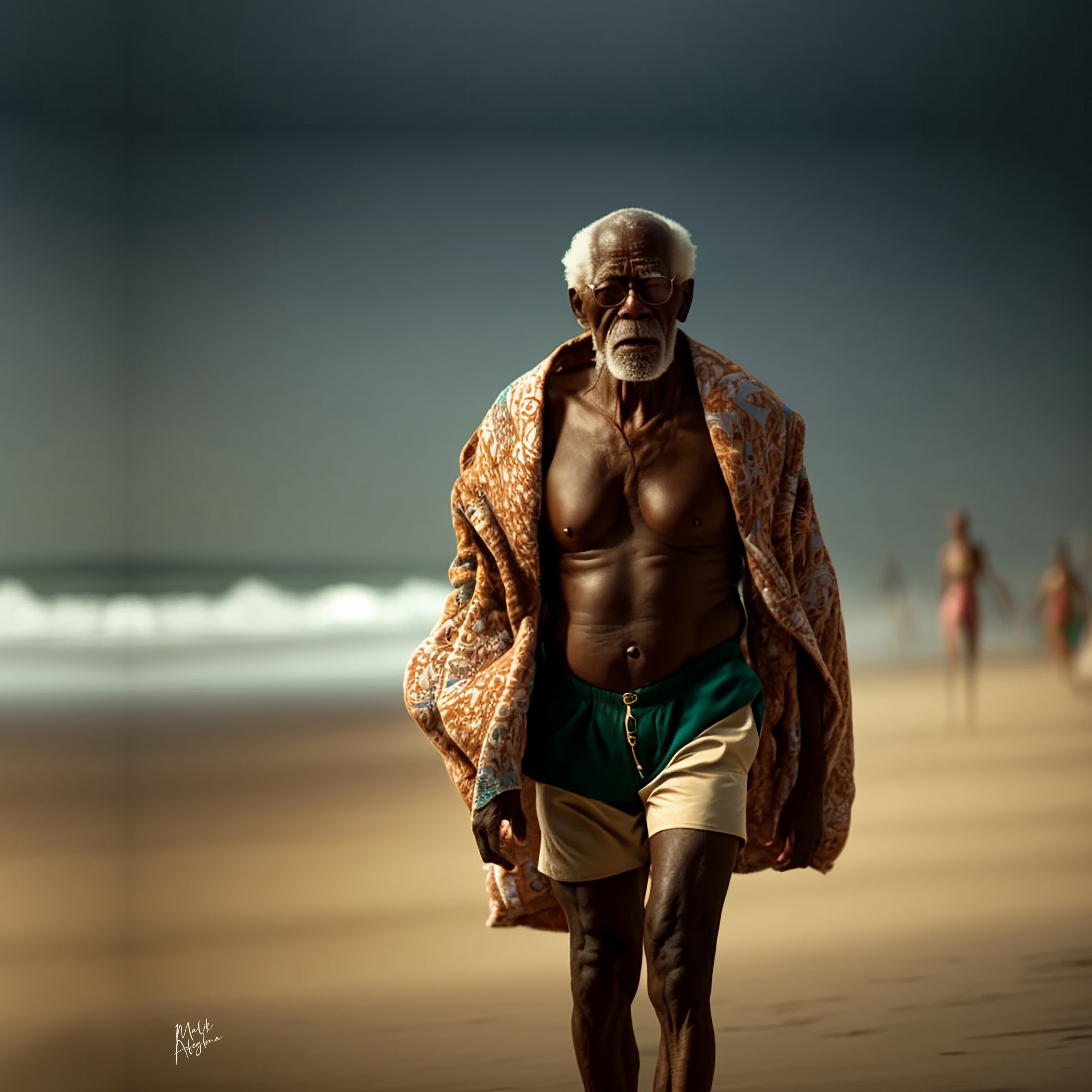
Using AI allowed me to break two types of stereotypes : one about aging and another about African identity. When I first used AI, I noticed biases in the generated images, especially when I input prompts for African people. I would get images that depicted Africans as poor or malnourished. That was frustrating, so I had to ‘train’ the AI to let it understand that Africa is diverse, with elegance and rich culture. By reprogramming it, I created powerful images of older people who defy age-related stereotypes, showing them in fashion, bungee jumping, or even DJing. They look strong, confident, almost like a ‘revenge’ on the societal ideas of ageing.
What were your impressions while using AI for the first time?
Honestly, it was both exciting and challenging. The AI didn’t just produce elegant images from the start. It took a lot of adjusting and refining. But what I found remarkable was how fast I could experiment, make mistakes, and learn from them without needing an actual photoshoot. The possibilities felt endless.
Afterwards, inspired by your work, real fashion shows with elderly people were produced. Can you tell us about the impact this has had in real life?
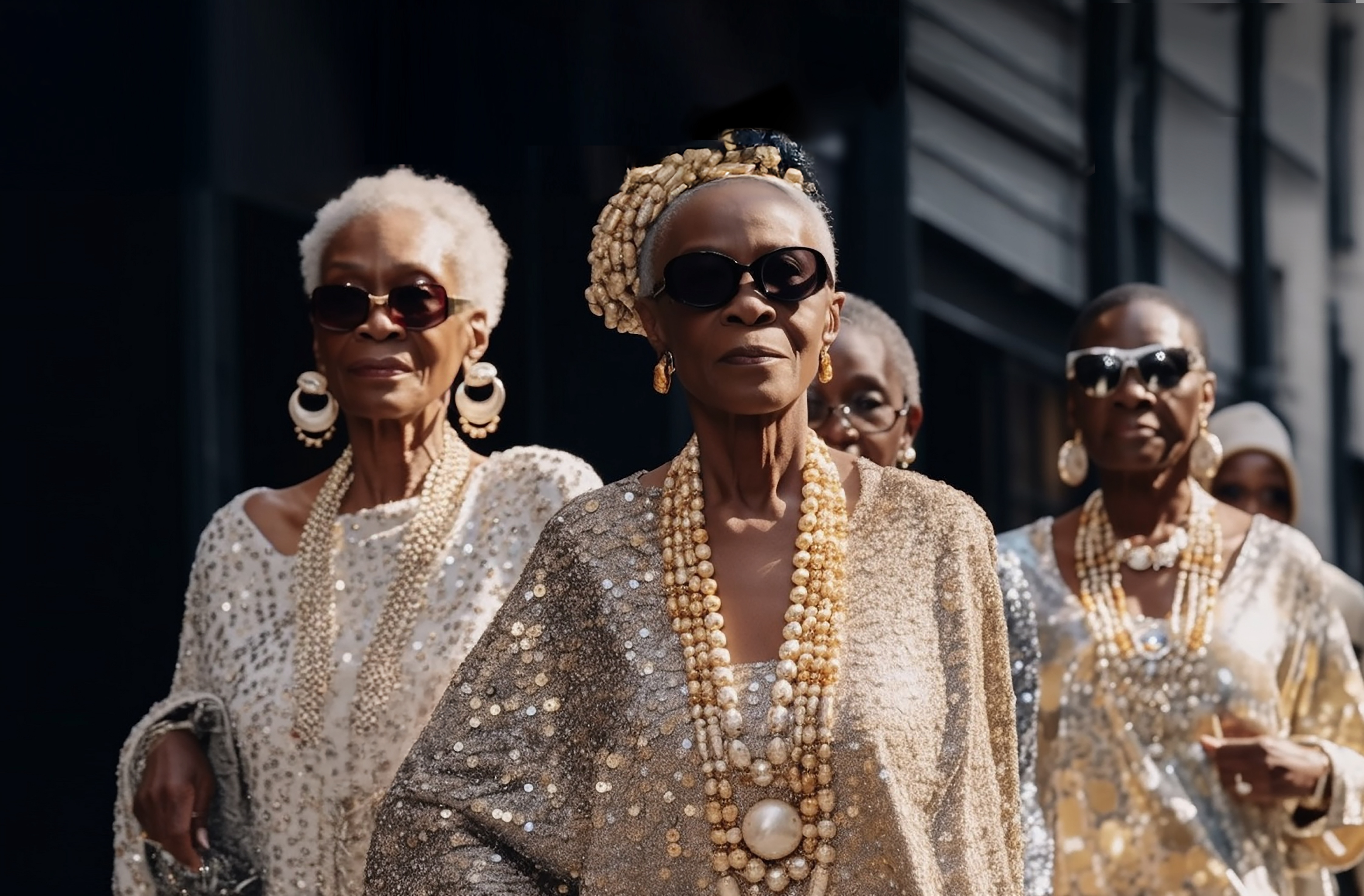
The impact was profound. The first physical show happened in Amsterdam, Netherlands and then in Lagos, Nigeria. We had models aged 65 and above walking the runway, showcasing the same sense of style and dignity that I had tried to capture with AI. The models were thrilled – it was like they were reliving a part of themselves, filled with energy. Since then, I have noticed fashion shows in other parts of the world starting to include older models too. It’s inspiring to see the concept move from virtual art to real-life inclusivity.
Why do you believe that intentional storytelling can change the world?
Storytelling is powerful because it shapes perception. When you tell a story intentionally, with a purpose, it can change minds. With The Elder Series, I’m not just showing images; I’m communicating that life doesn’t end at a certain age. Through intentional storytelling, we can reshape narratives that we might have once taken for granted.
In a few words, what legacy do you hope to leave through your work?
I want people to understand that beauty exists at every age and in every culture. The goal is for people, especially the younger generation, to see ageing as something to look forward to, not something to dread. If I can help people embrace a broader vision of beauty, strength, and life itself through my work, that’s the legacy I want to leave behind.
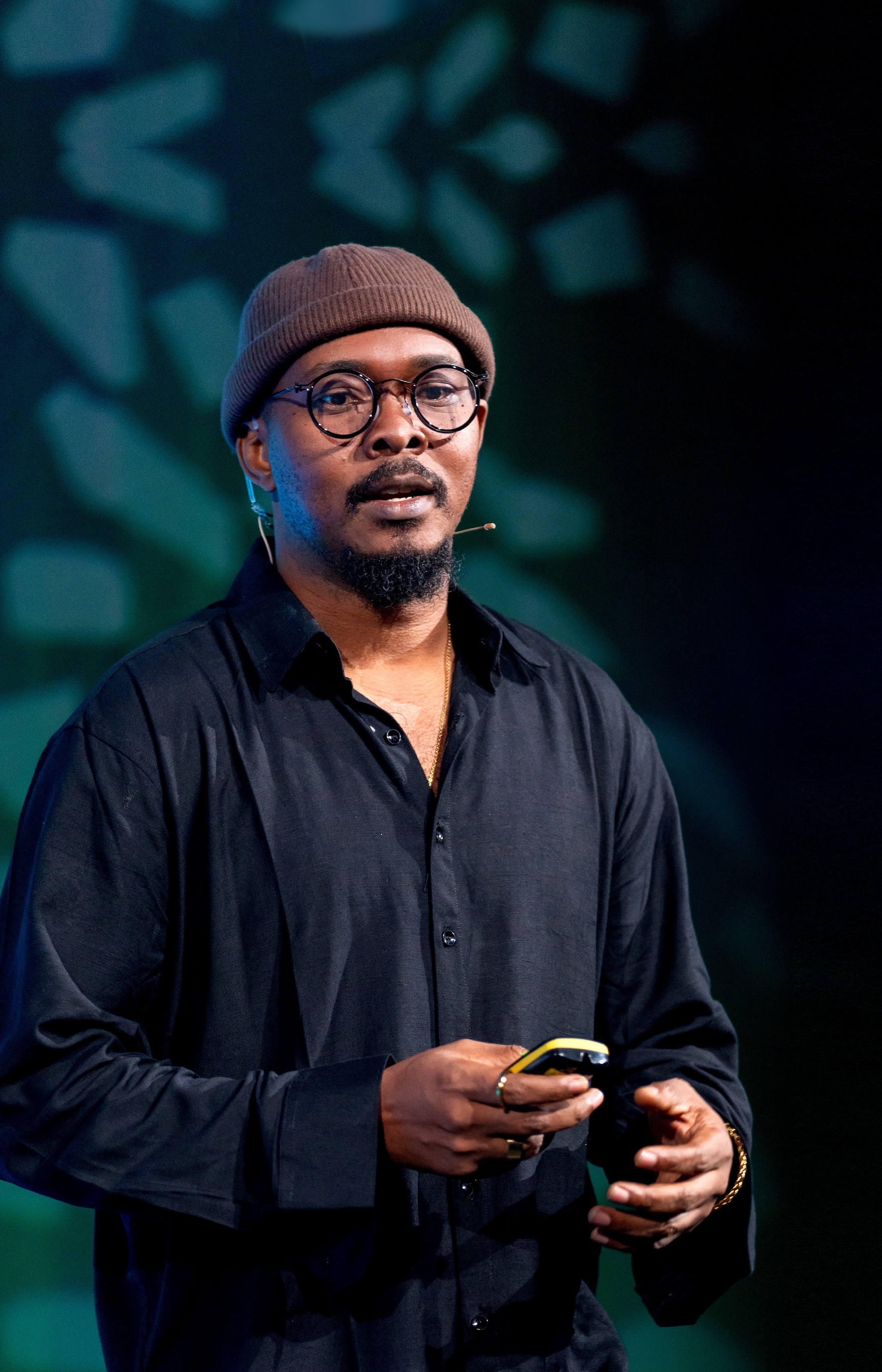
Malik Afegbua during the Luxembourg Sustainability Forum