




Last articles
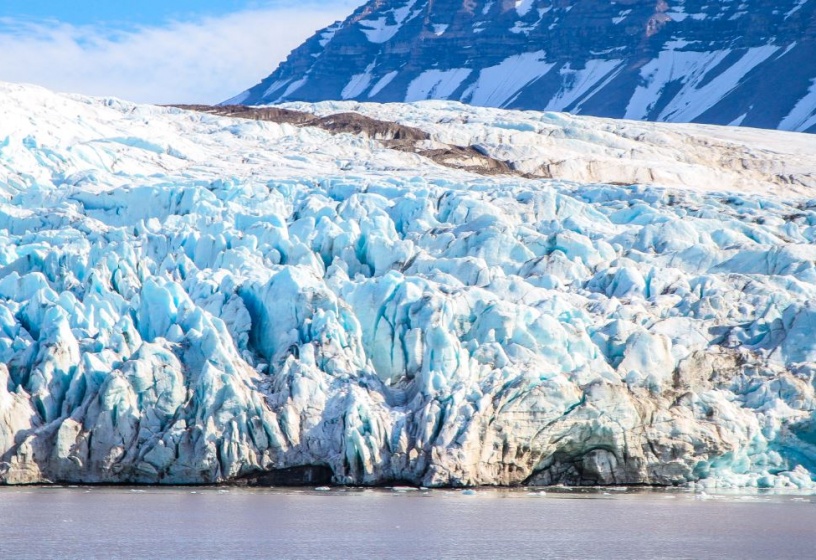
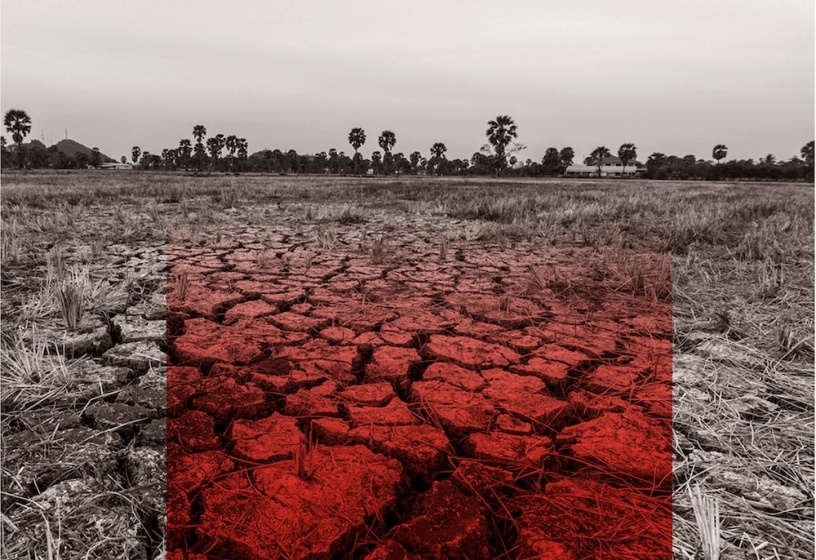
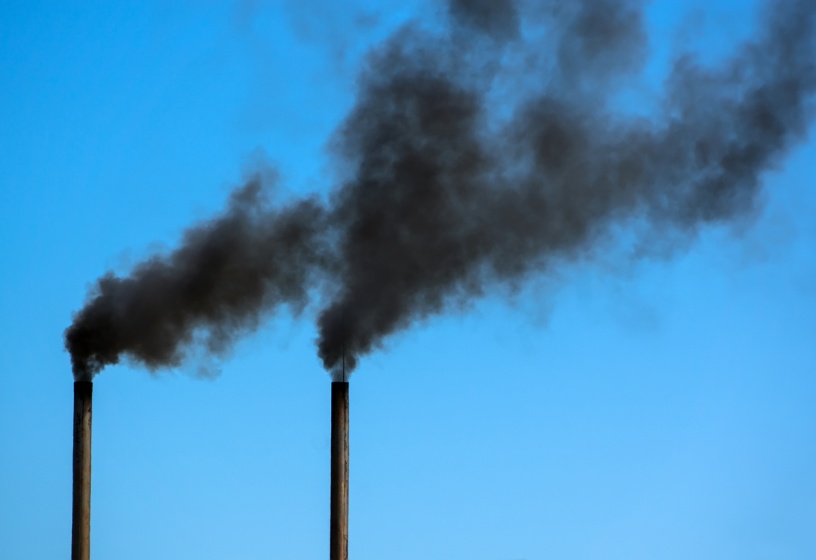
Planetary Emergency: Aiming for Climate Neutrality
As temperatures continue to rise and the effects of climate change grow increasingly severe, the need to reach climate neutrality has become more urgent than ever.
Capturing, Removing, Storing, Reusing: The New Frontiers of CO2
Reducing emissions remains the top priority in the fight against climate change. Yet as the scale of the crisis becomes clearer, another approach is gaining ground: removing CO2 directly from the atmosphere. Is it a false solution or a necessary tool?
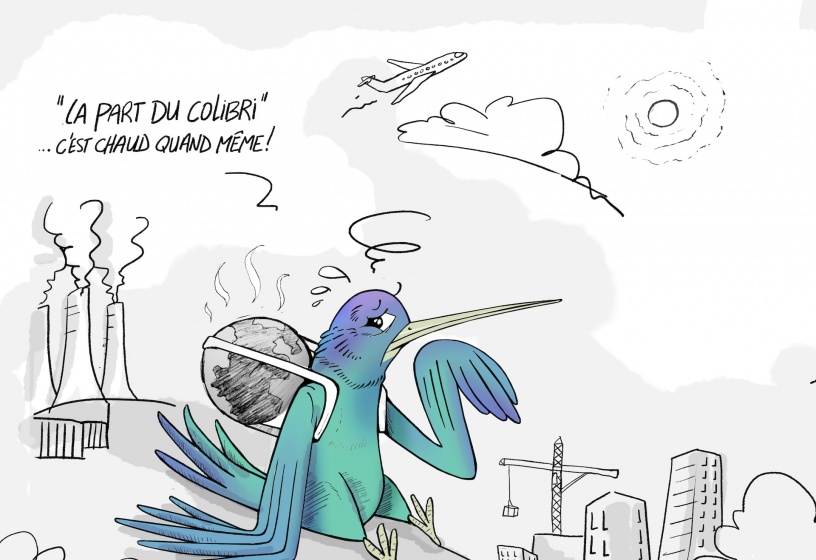
Carbon in numbers
Carbon in figures: when data becomes concrete benchmarks for understanding the impact of our activities on the climate.
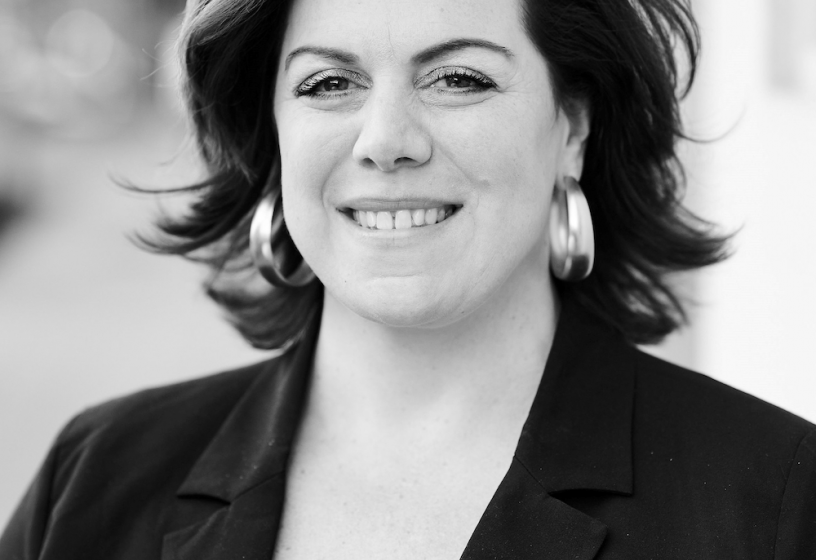
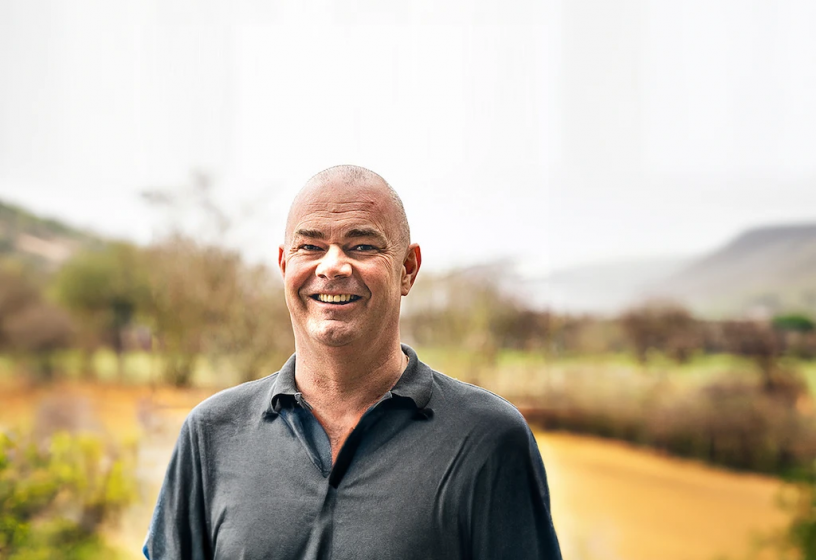
Interview with Célia Sapart
Interview with Célia Sapart, climatologist and specialist in greenhouse gas emissions linked to human activities.
Solutions around the world
Discover solutions around the world to reduce your carbon footprint.
Why do companies need a nature strategy?
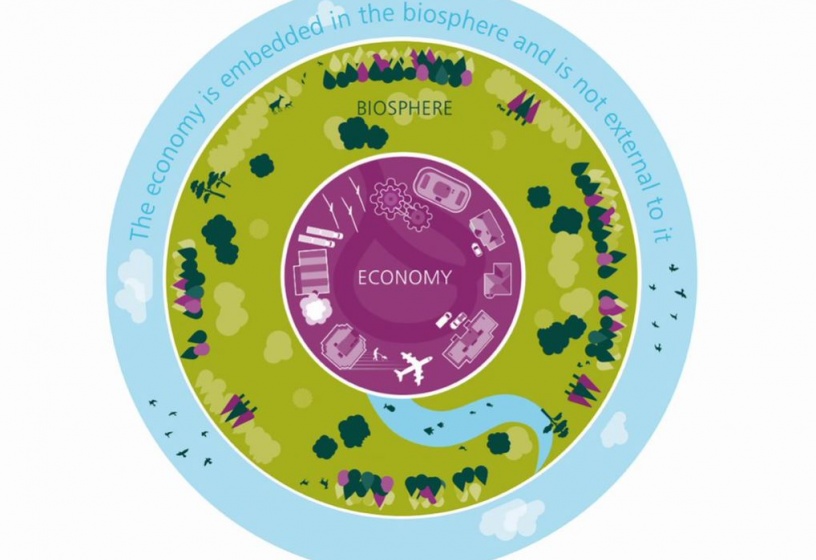
Six of the nine planetary boundaries, as defined by the Stockholm Resilience Centre, have now been breached. These boundaries represent the thresholds of human pressure on nine critical Earth system processes that together ensure the planet’s stability and resilience. Ecosystems are under strain. How do these major disruptions affect the economy? And why should businesses engage with this issue and adopt a strategy for nature?
Inspiring initiatives across sectors
What if the future of the planet was also being shaped behind the scenes of major companies? From fashion to construction, media to perfumery, concrete initiatives are emerging to rethink the relationship between human activity and respect for biodiversity. Sustainable resource management, ecosystem restoration, ecological innovations... these actions, often carried out in collaboration with NGOs or local stakeholders, are proof that a profound transformation is underway.
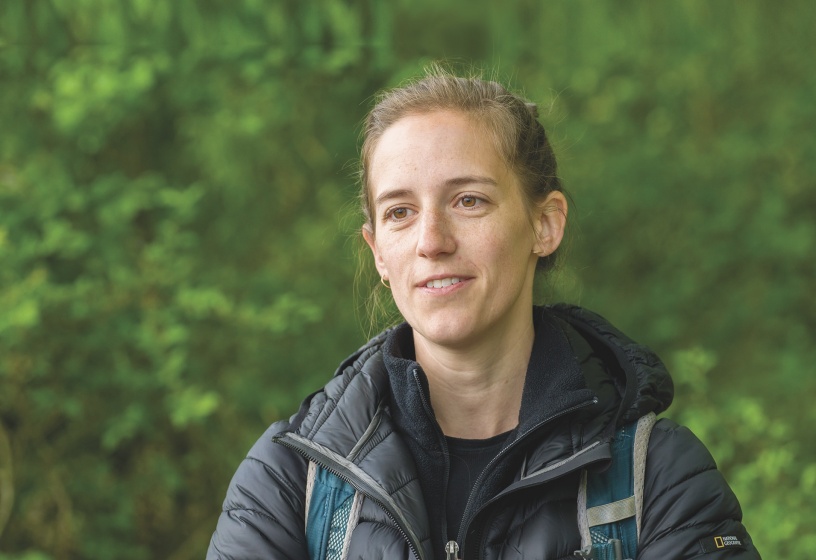
Interview with Eva Zabey
Given the collapse of biodiversity, Eva Zabey, CEO of Business for Nature, is calling on companies to understand their risks and dependencies on ecosystems and to adopt a strategy for nature.
As some Luxembourg organisations turn to nature
In Luxembourg, some companies are taking a closer look at their ties to the natural world, putting biodiversity at the heart of their operations. We met with three organisations committed to protecting nature.
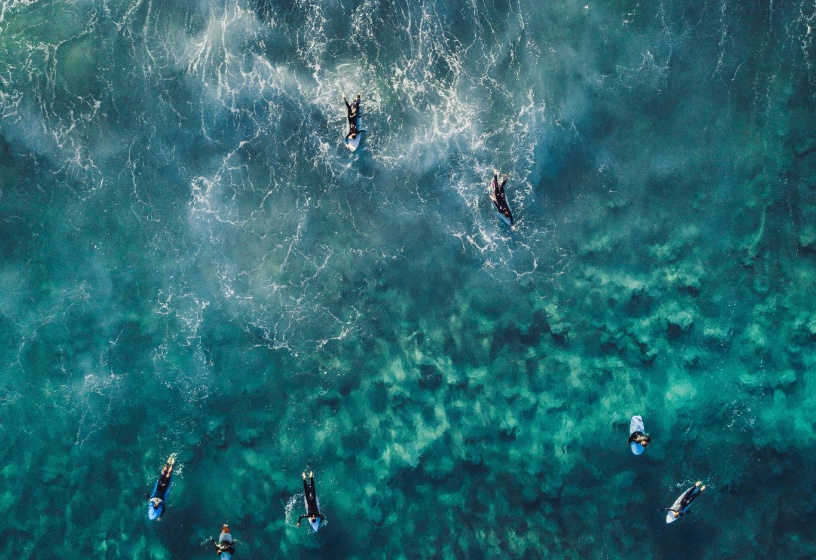
Surf culture: when activism makes some waves
Protect oceans around the globe and vulnerable coastal groups. A clear line to guide the committed surfers’ community. Witnessing the rapid decline of a fragile ecosystem, they are stepping up to defend their surfing grounds and take their role as ocean ambassadors deeply to heart.
Philippines : sharks under protection
The shark, the dreaded representative of the marine megafauna, does not have a good reputation. Yet there is a place in the Philippines where researchers and volunteers are working hard, despite centuries-old widespread fears, to protect it and even to reintroduce individuals into the waters of the archipelago...
10 innovations from the sea
The many undiscovered treasures of the deep are slowly emerging to offer us technological solutions that are both sustainable and respectful of the environment and its ecosystems. Discover these 10 innovations directly inspired by the sea.
The planet's largest biosphere under threat
According to the latest United Nations report published last February, 97% of migratory fish are on the brink of extinction, pointing to ocean warming, stratification, oxygen loss and acidification. The conclusion is bitterly clear: our planet's largest biosphere, our greatest common, is on the verge of collapse.
Sea turtles, our precious sentinels
Symbols of perennity, turtles have been crisscrossing the seas since the dawn of time. Did you know that they are one of the few species to have cohabited with dinosaurs? Yet, many of them are now facing major challenges to their survival in the ecosystems, both on land and at sea, that are deteriorating. These "sentinel" species are warning us.
The ocean – Our Silent Ally
The ocean covers 71% of our planet and is much more than a vast expanse of motionless salt water. Beyond its undeniable majesty and mysterious nature, it represents the vastest ecosystem and is essential to survival on Earth. Dive into the silence of this complex universe to discover its unsuspected treasures.
Facing Threats
Protecting the ocean is an essential priority, especially today when anthropogenic pressures are intensifying and jeopardising the health of marine ecosystems make it a real time bomb. Let's understand these phenomena better to protect the oceans more effectively.
Interview with Hans-Otto Pörtner
A leading expert in marine biology, Hans-Otto Pörtner warns of the dangers facing the oceans. He tells us what needs to be done to preserve this essential ecosystem.
More green in our plates
Nowadays not many baristas would be taken aback if you ask them for plant-based milk in your coffee instead of regular. Similarly, you don’t have to explain yourself to others when calling yourself a flexitarian. They know what it means.
Interview with René Mathieu
Named the best plant-based chef in the world, René Mathieu is head of the Michelin restaurant of Bourglinster Castle, in Luxembourg since 2005. A true man of his time, he is critically aware of how we eat today, and advocates for a more simple and more intuitive approach to nature. From his life philosophy to his concrete advices to put more green on our plates, a meeting with a true enthusiast!
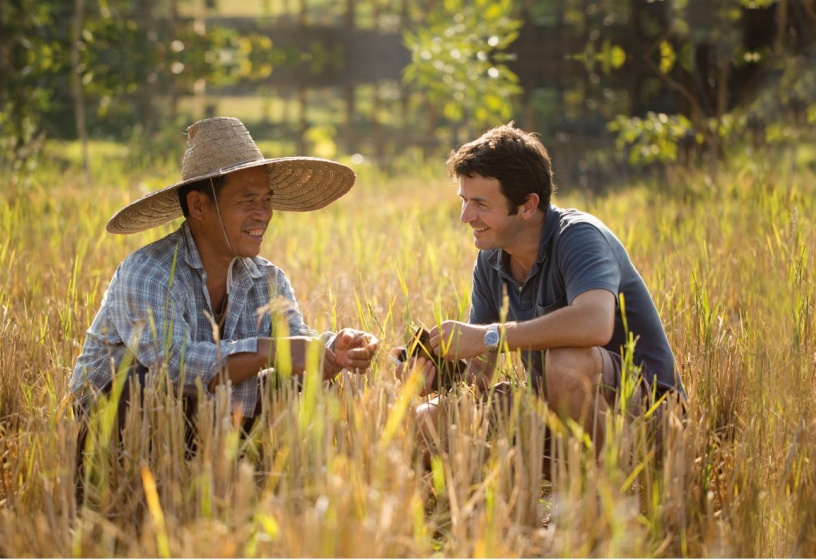
The bocages, a salvatory path in Burkina Faso
Today, certain agricultural lands in Burkina Faso, which had been dried out and unsuitable for exploitation, are coming back to life. Their yields have increased, the farmers who exploit them are finding a decent way of life and the biodiversity that they once sheltered is gradually prospering again...
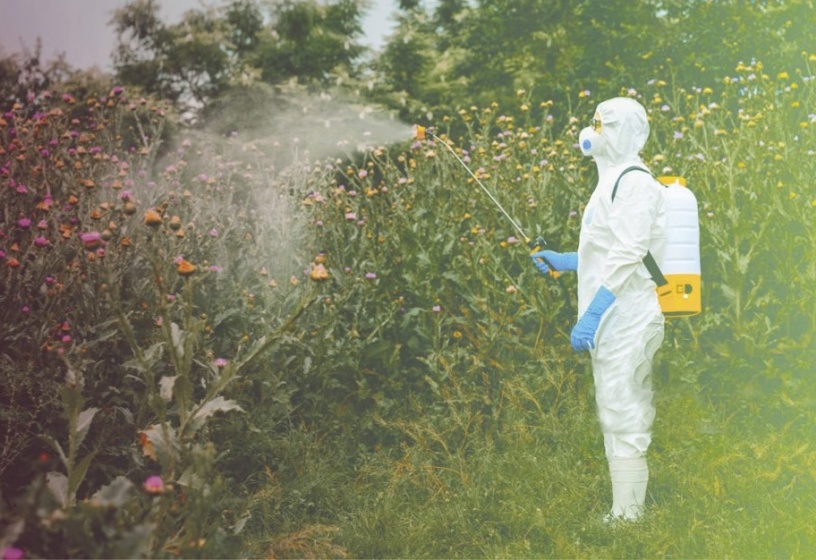
Glyphosate: A brief history of a massive manipulation
Economic profit for some, ecological and human disaster for others, glyphosate illustrates the complex dynamics and power struggles that weigh on various decision-making bodies in our public life.
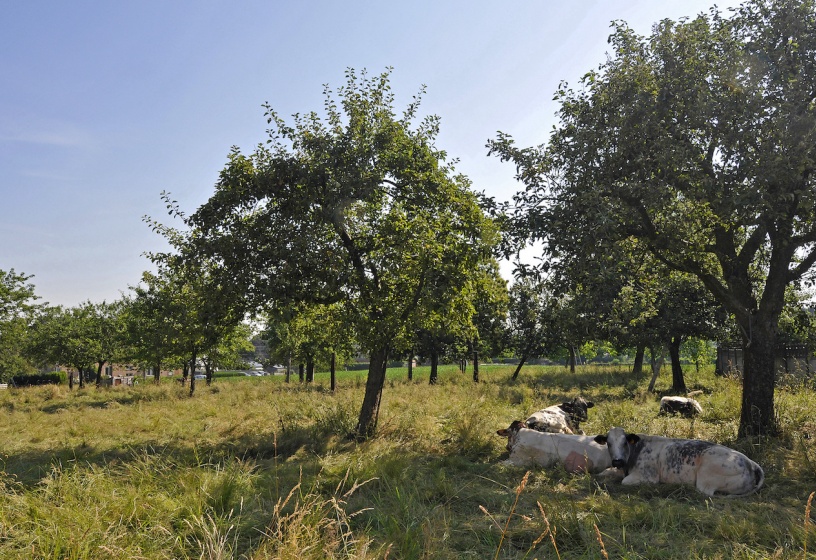
The Liège bassin in search of food resilience
The Liège Food and Soil Belt (CATL) was set up in 2013 to federate, support and promote a sustainable local model. Are the results now living up to expectations? Here's a look at a project that is celebrating its tenth anniversary this year.
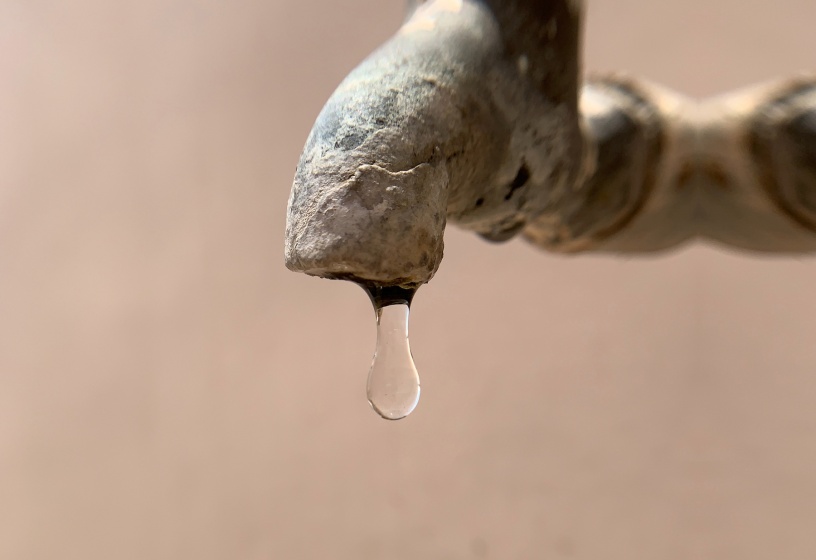
An Endangered Ressource
Santiago, Cape Town, Karachi, Los Angeles, Mombasa... All of these cities are preparing for "day zero", when not a single drop of water will come out of the tap. Subjected to unprecedented anthropic pressures, this resource is now amongst one of the planetary boundaries that have been crossed, which has major impacts on ecosystems, health, food resilience or peace in the world. Solutions do exist, however. There is an urgent need to rethink our relationship with water and to collectively rewrite its history.
Water is not a given
Water is far from being a given. Its future is in our hands. We explain in figures.
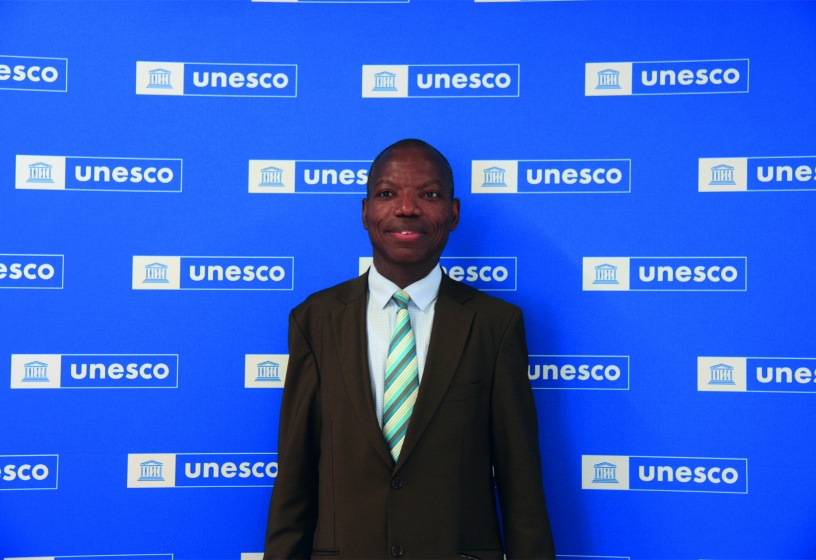
Interview with Abou Amani
"To address the water issue, a holistic approach is needed, as water has social, economic, and environmental dimensions".
Drawing for companies in action
All over the world, companies are highlighting actions to limit water wastage and find solutions to protect this resource.
State of Luxembourg's water supply
To enjoy clean water in Luxembourg, all you have to do is turn on the tap. You don't even have to think of where it comes from or disappears to in the drain. But is there enough water to meet the growing demand of the Grand Duchy? What about water quality? How is this subject trated in the country?
Why recycling will not be enough
Recycling is widely seen as the ideal way to tackle the pollution of our packaging. In short, the idea is to put their production in a perfect loop, where materials are reused over and over again and no raw materials need to be extracted.
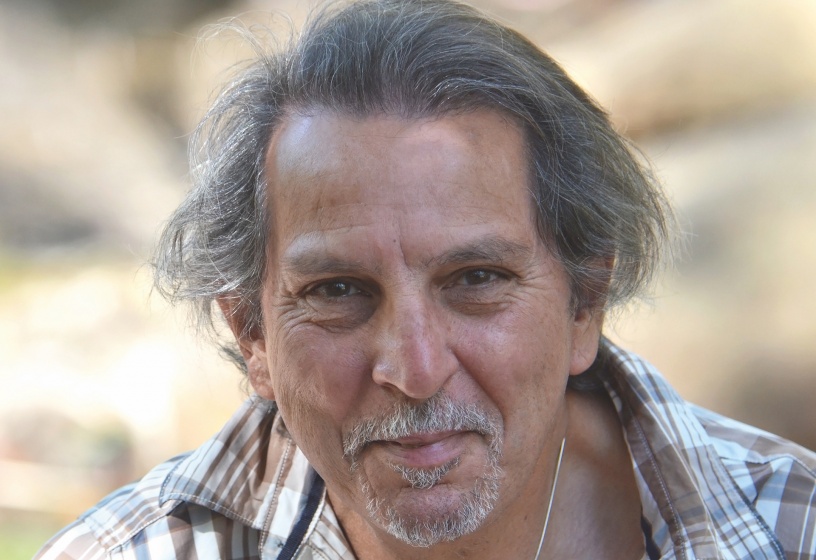
Interview with Esra Tat, Associate Director, Zero Waste Europe
A Europe without waste is the main objective for which the eponymous association Zero Waste Europe is working. Thanks to their lobbying and animation of a particularly active network, the concept is gaining ground.
Nothing new?
Did you know that 10% of the wood cut down, 20% of the aluminium extracted, 40% of the plastic created and 50% of the glass produced are mainly used to make single-use packaging? In a world of finite resources, the disposable economy based on the principle of produce-consume-throw-away is increasingly showing its limits.
2025 in Luxembourg: a future without disposable packaging
Luxembourg would like to move to a future without disposable packaging by 2025...
The MUD, a Futuristic Museum in Luxembourg
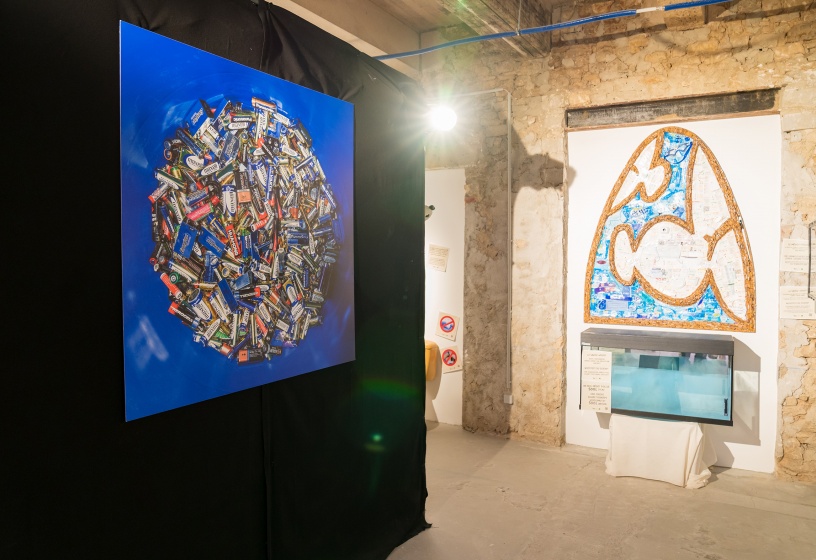
Dive into the heart of the Musée du Déchet, an ephemeral and nomadic museum, to discover the future of our waste.
A desire to star bath?
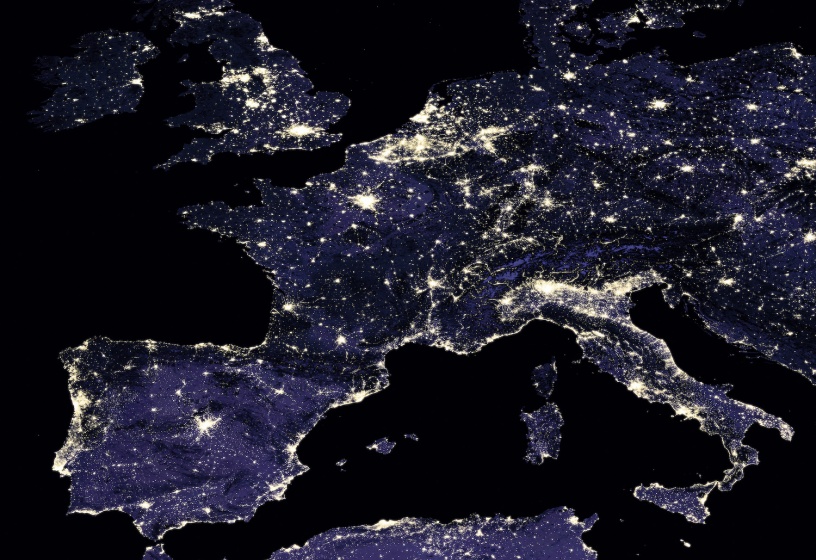
Considering the significant impacts of light pollution on human health, biodiversity and energy consumption, and in face of the simplicity of the solutions, one may wonder why human societies haven't addressed the issue yet.
Loss of the Night
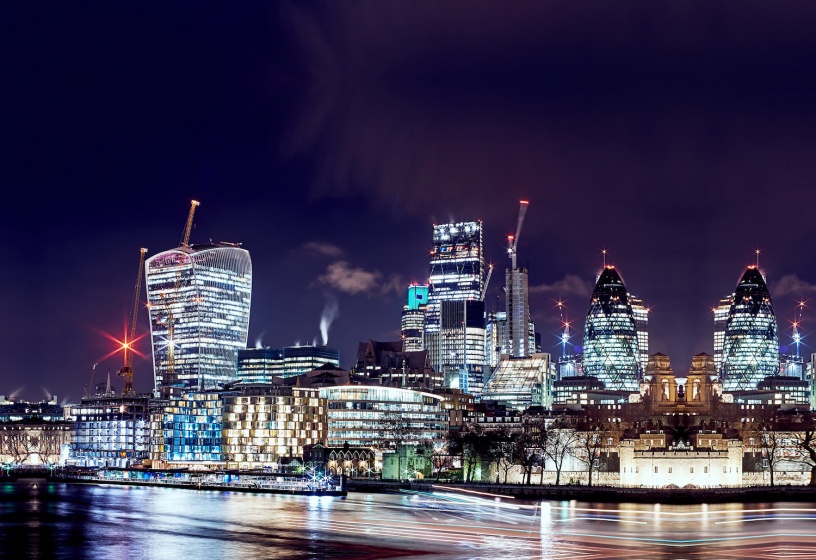
With the energy crisis, superfluous lighting is being highlighted. Here and there, neon lights, illuminated displays and other useless streetlights are starting to be switched off at night and citizens' groups are forming to unplug store signs.
Photopollution
Photopollution has negative consequences on biodiversity and animals, on our health, on the economy...
Daniel Gliedner: Reducing the extent of light pollution
Backed with thirty years of experience in the field, Daniel Glider now works as a lighting consultant for the Our Natural Park. Because he works with public authorities, companies and private individuals, he knows the situation in Luxembourg better than anybody, and the measures that need to be taken to limit this pollution.
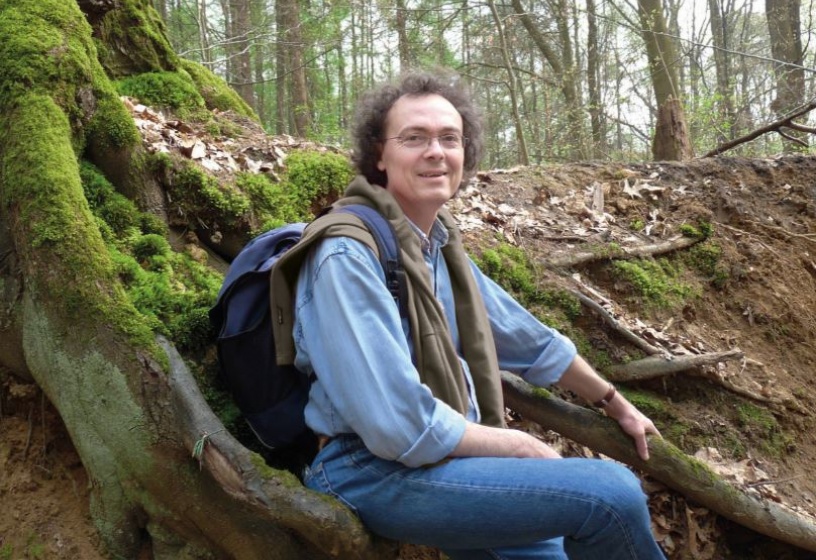
Man and Nature: the Reconciliation?
Are there any benefits of a break in the green or facing the ocean? Hubert Mansion and Julie Schadeck take you to the forest to experience it to reconcile you with the living network.
Our brain, the great culprit?
Sometimes intention is there but it is not followed by acts. What are the determining factors of changes in individual and collective behaviour? Albert Moukheiber, doctor in cognitive neuroscience and clinical psychologist, looks at the human factor in solving today's environmental challenges.
WORDS FOR WOES
Kathy Jetnil-Kijiner is a poet from the Marshall Islands, a place which is suffering the effects of climate change and rising sea levels. Invited to testify at the opening ceremony of the UN Secretary General's Climate Summit in September 2014, she proclaimed this vibrant poem addressed to her newborn daughter. The reading was met with a standing ovation at the time. Today, these verses are considered a landmark text for the expression of solastalgia.
The Great Green Disarray
More numerous than ever, they say they no longer know how to live with this environmental question haunting them. This emerging and growing phenomenon called "eco-anxiety" describes the chronic fear of environmental disaster.
Entering the Symbiocene
The Australian philosopher Glenn Albrecht has coined a number of neologisms, including the now-famous "solastalgia", which refers to the growing sense of psychological distress over the destruction of our environment.
Insurances and climate
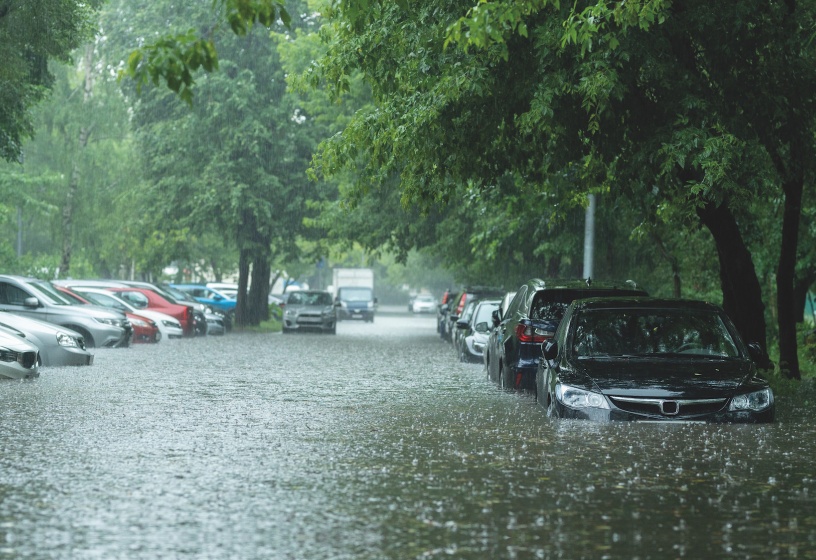
Being an insurer means mastering risk, anticipating it to be better prepared. With climate change, the equation has never been so complex.
Earth Observation Technology
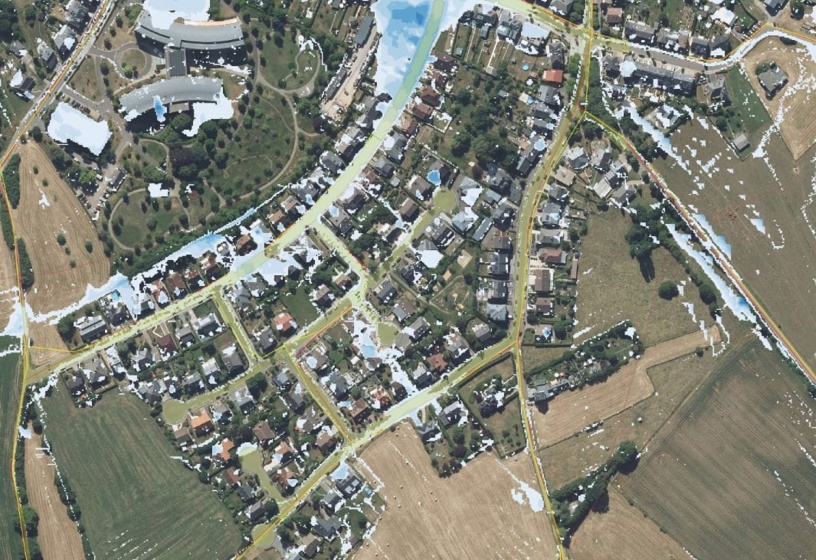
While climate change is provoking dramatic events worldwide, Luxembourg R&D start-up RSS-Hydro is innovating to prevent water-related risks.
Meet with Alexis Rosenfeld: explorer of the underwater world
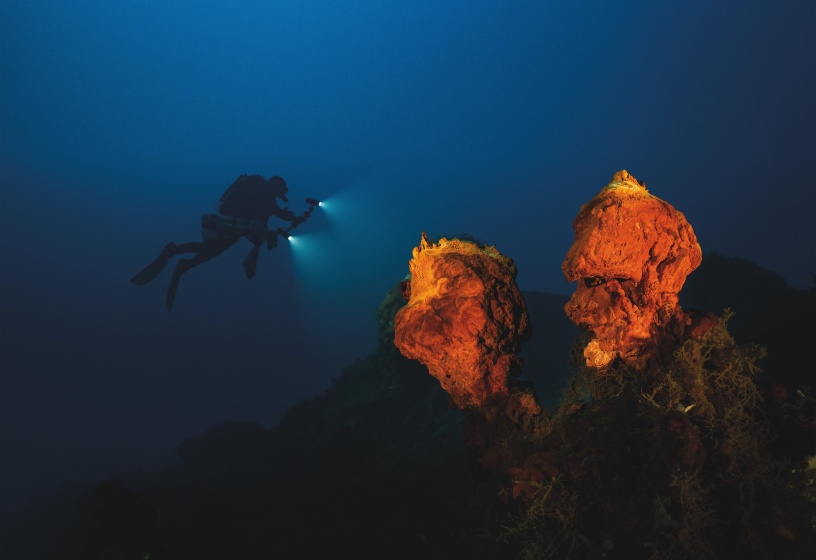
Diver and photographer, he explores the mysteries of the underwater world and shares its wonders. Commissioned by UNESCO for the "1 OCEAN, The Anatomy" project, he tells us about this exploration.
james smith
COP26, A Watershed Moment for Business Action in 2022
James Smith, Director of Natural Climate Solutions at the World Business Council for Sustainable Development (WBCSD), looks back at the momentum generated by business at COP 26.
Climate Heroes
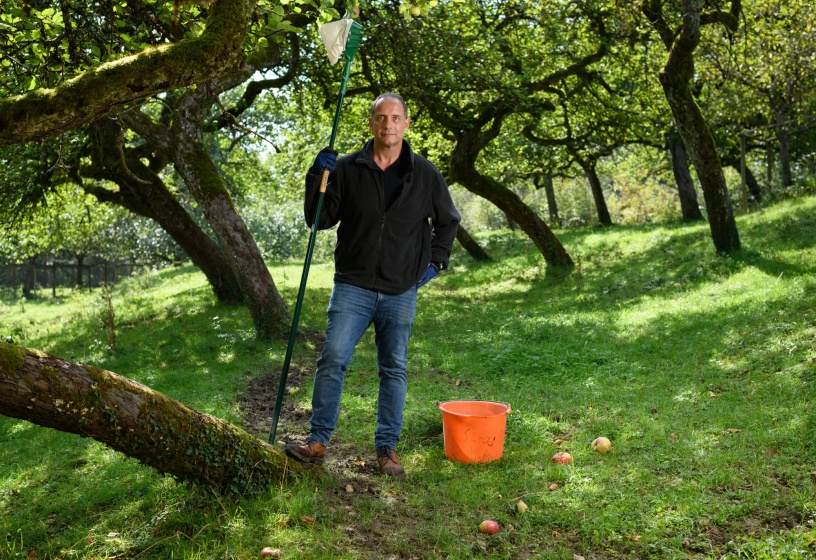
Max Riché has captured the faces of Ramborn. A cider factory that is working to regenerate more than one million square metres of ancient orchards.
Kitamaya, and the Tree Will be Saved
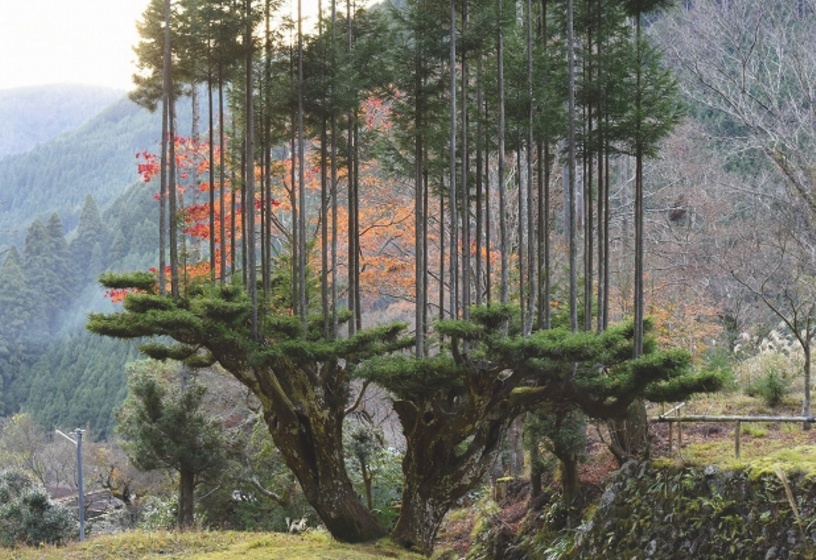
Although wood is an ecological material of choice, its production is rarely sustainable. However, in the Land of the Rising Sun, an ancestral practice born in the Kitayama Mountains lives on.
The world slows down, nature awakens
For the remaining fauna and flora, there are encouraging signs that it is not too late. Hopeful ways to reverse the decline.
Anne Larigauderie : Spokesperson for One Million Threatened Species
As head of the IPBES, one of the leading institutions on biodiversity, she gives an uncompromising assessment of the state of living organisms. She presents the challenges of the coming decade.
How Biodiversity Protects our Health
Marie-Monique Robin unveils her latest documentary film: La fabrique des pandémies. The film makes a compelling statement: if nothing is done to halt the destruction of ecosystems, we will experience epidemics of even greater proportions.
DOSSIER / Capturing CO₂ from the air: smoke screen or solution for the future?
Planetary Emergency: Aiming for Climate Neutrality
As temperatures continue to rise and the effects of climate change grow increasingly severe, the need to reach climate neutrality has become more urgent than ever.
Capturing, Removing, Storing, Reusing: The New Frontiers of CO2
Reducing emissions remains the top priority in the fight against climate change. Yet as the scale of the crisis becomes clearer, another approach is gaining ground: removing CO2 directly from the atmosphere. Is it a false solution or a necessary tool?
Carbon in numbers
Carbon in figures: when data becomes concrete benchmarks for understanding the impact of our activities on the climate.
Interview with Célia Sapart
Interview with Célia Sapart, climatologist and specialist in greenhouse gas emissions linked to human activities.
Solutions around the world
Discover solutions around the world to reduce your carbon footprint.
DOSSIER / The Business Case for Nature
Why do companies need a nature strategy?
Six of the nine planetary boundaries, as defined by the Stockholm Resilience Centre, have now been breached. These boundaries represent the thresholds of human pressure on nine critical Earth system processes that together ensure the planet’s stability and resilience. Ecosystems are under strain. How do these major disruptions affect the economy? And why should businesses engage with this issue and adopt a strategy for nature?
Inspiring initiatives across sectors
What if the future of the planet was also being shaped behind the scenes of major companies? From fashion to construction, media to perfumery, concrete initiatives are emerging to rethink the relationship between human activity and respect for biodiversity. Sustainable resource management, ecosystem restoration, ecological innovations... these actions, often carried out in collaboration with NGOs or local stakeholders, are proof that a profound transformation is underway.
Interview with Eva Zabey
Given the collapse of biodiversity, Eva Zabey, CEO of Business for Nature, is calling on companies to understand their risks and dependencies on ecosystems and to adopt a strategy for nature.
As some Luxembourg organisations turn to nature
In Luxembourg, some companies are taking a closer look at their ties to the natural world, putting biodiversity at the heart of their operations. We met with three organisations committed to protecting nature.
DOSSIER / Seas at risk
Surf culture: when activism makes some waves
Protect oceans around the globe and vulnerable coastal groups. A clear line to guide the committed surfers’ community. Witnessing the rapid decline of a fragile ecosystem, they are stepping up to defend their surfing grounds and take their role as ocean ambassadors deeply to heart.
The planet's largest biosphere under threat
According to the latest United Nations report published last February, 97% of migratory fish are on the brink of extinction, pointing to ocean warming, stratification, oxygen loss and acidification. The conclusion is bitterly clear: our planet's largest biosphere, our greatest common, is on the verge of collapse.
Sea turtles, our precious sentinels
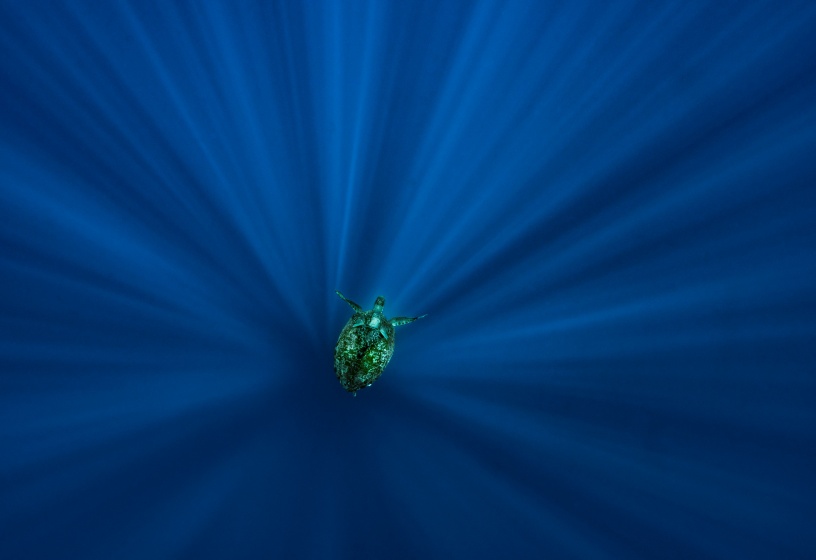
Symbols of perennity, turtles have been crisscrossing the seas since the dawn of time. Did you know that they are one of the few species to have cohabited with dinosaurs? Yet, many of them are now facing major challenges to their survival in the ecosystems, both on land and at sea, that are deteriorating. These "sentinel" species are warning us.
The ocean – Our Silent Ally
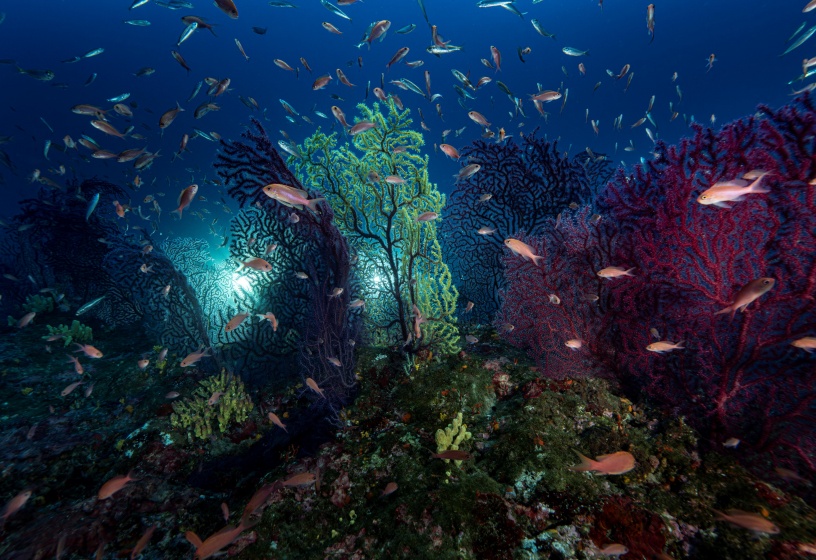
The ocean covers 71% of our planet and is much more than a vast expanse of motionless salt water. Beyond its undeniable majesty and mysterious nature, it represents the vastest ecosystem and is essential to survival on Earth. Dive into the silence of this complex universe to discover its unsuspected treasures.
Facing Threats
Protecting the ocean is an essential priority, especially today when anthropogenic pressures are intensifying and jeopardising the health of marine ecosystems make it a real time bomb. Let's understand these phenomena better to protect the oceans more effectively.
Interview with Hans-Otto Pörtner
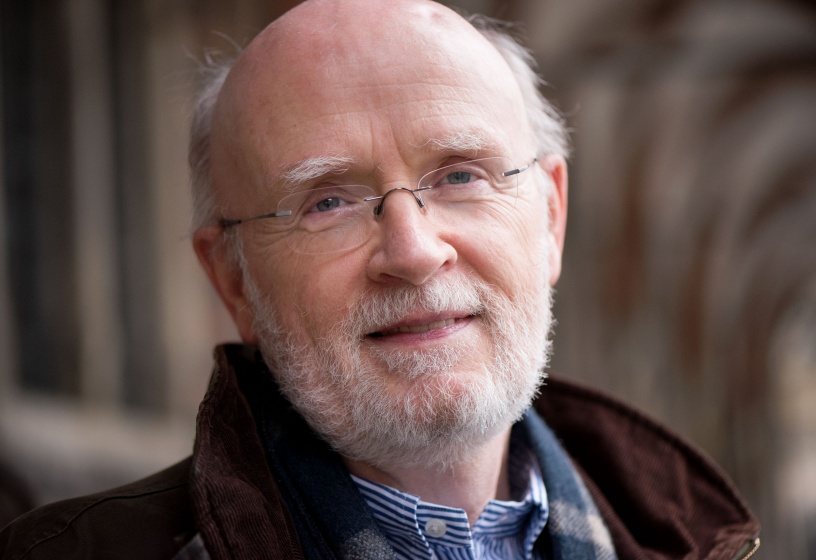
A leading expert in marine biology, Hans-Otto Pörtner warns of the dangers facing the oceans. He tells us what needs to be done to preserve this essential ecosystem.
DOSSIER / Plant-based menu
More green in our plates
Nowadays not many baristas would be taken aback if you ask them for plant-based milk in your coffee instead of regular. Similarly, you don’t have to explain yourself to others when calling yourself a flexitarian. They know what it means.
Interview with René Mathieu
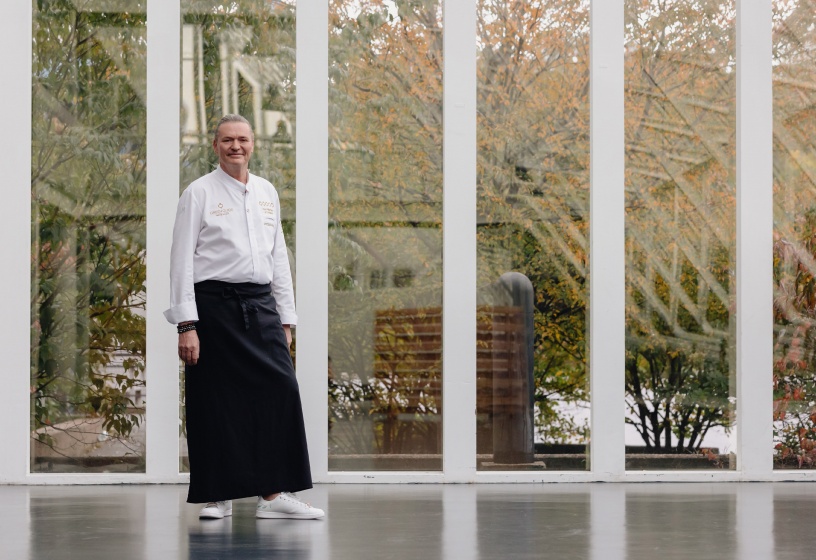
Named the best plant-based chef in the world, René Mathieu is head of the Michelin restaurant of Bourglinster Castle, in Luxembourg since 2005. A true man of his time, he is critically aware of how we eat today, and advocates for a more simple and more intuitive approach to nature. From his life philosophy to his concrete advices to put more green on our plates, a meeting with a true enthusiast!
DOSSIER / The Blue Gold Crisis
An Endangered Ressource
Santiago, Cape Town, Karachi, Los Angeles, Mombasa... All of these cities are preparing for "day zero", when not a single drop of water will come out of the tap. Subjected to unprecedented anthropic pressures, this resource is now amongst one of the planetary boundaries that have been crossed, which has major impacts on ecosystems, health, food resilience or peace in the world. Solutions do exist, however. There is an urgent need to rethink our relationship with water and to collectively rewrite its history.
Water is not a given
Water is far from being a given. Its future is in our hands. We explain in figures.
Interview with Abou Amani
"To address the water issue, a holistic approach is needed, as water has social, economic, and environmental dimensions".
Drawing for companies in action
All over the world, companies are highlighting actions to limit water wastage and find solutions to protect this resource.
State of Luxembourg's water supply
To enjoy clean water in Luxembourg, all you have to do is turn on the tap. You don't even have to think of where it comes from or disappears to in the drain. But is there enough water to meet the growing demand of the Grand Duchy? What about water quality? How is this subject trated in the country?
DOSSIER / The second life of our packaging
Why recycling will not be enough
Recycling is widely seen as the ideal way to tackle the pollution of our packaging. In short, the idea is to put their production in a perfect loop, where materials are reused over and over again and no raw materials need to be extracted.
Interview with Esra Tat, Associate Director, Zero Waste Europe
A Europe without waste is the main objective for which the eponymous association Zero Waste Europe is working. Thanks to their lobbying and animation of a particularly active network, the concept is gaining ground.
Nothing new?
Did you know that 10% of the wood cut down, 20% of the aluminium extracted, 40% of the plastic created and 50% of the glass produced are mainly used to make single-use packaging? In a world of finite resources, the disposable economy based on the principle of produce-consume-throw-away is increasingly showing its limits.
2025 in Luxembourg: a future without disposable packaging
Luxembourg would like to move to a future without disposable packaging by 2025...
The MUD, a Futuristic Museum in Luxembourg
Dive into the heart of the Musée du Déchet, an ephemeral and nomadic museum, to discover the future of our waste.
DOSSIER / Life in free fall: no more denial?
The world slows down, nature awakens
For the remaining fauna and flora, there are encouraging signs that it is not too late. Hopeful ways to reverse the decline.
Anne Larigauderie : Spokesperson for One Million Threatened Species
As head of the IPBES, one of the leading institutions on biodiversity, she gives an uncompromising assessment of the state of living organisms. She presents the challenges of the coming decade.
How Biodiversity Protects our Health
Marie-Monique Robin unveils her latest documentary film: La fabrique des pandémies. The film makes a compelling statement: if nothing is done to halt the destruction of ecosystems, we will experience epidemics of even greater proportions.
Reconciling Nature and Economics
Have we ever considered how much of our lives depend on nature? More than ever, the world needs to fundamentally rethink the way society measures economic success if it is to stop the rapid decline in biodiversity that threatens.
Initiatives for Biodiversity in the Grand Duchy
Did you know that wolves and lynxes are protected species in Luxembourg? With its forests characterised by remarkable trees covering more than a third of the territory and stunning orchids, the country is home to an unexpected biodiversity.
BIODIV_Curridabat
Sweet Curridabat
In "Ciudad Dulce", Costa Rica's "Sweet City”, pollinators, hummingbirds, trees and endemic plants now have a prominent place in the city's development.
Keeping our Planet Alive
The sixth mass extinction is accelerating. The world’s natural balance is being profoundly altered, leading to irreversible changes in climate and ecosystems. Study after study, science is alerting us. Will we be able to prevent the decline of life?
DOSSIER / The Food To Come
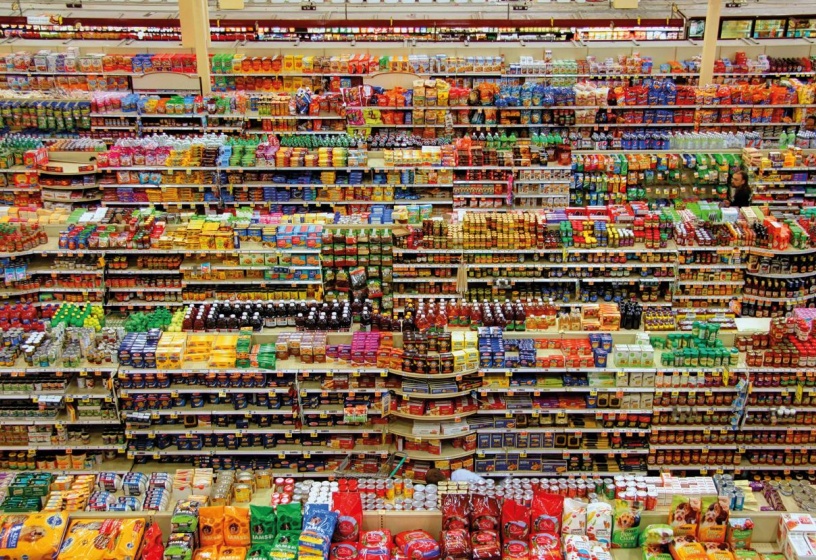
The Fall of Hyper-standardisation
Degraded ecosystems, stressed professions, nutritious desert...The world food system has reached its limits. And after our XXL-way of cultivating and consuming, what solutions for tomorrow?
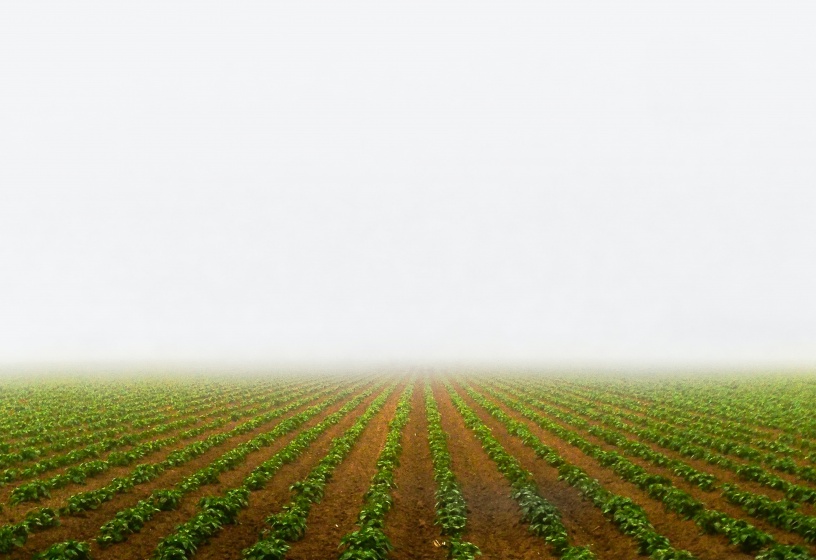
Depleted Soil
Almost a third of the soil is now degraded by intensive agriculture. Faced with this ecological disaster, regenerative methods are trying to restore the fertility of agricultural land.
Birgit Cameron : "There is a Revolution Brewing"
The activist brand Patagonia has embarked on the sustainable food. Meet Birgit Cameron, the woman who orchestrates this branch of activity with a resolutely green hand.
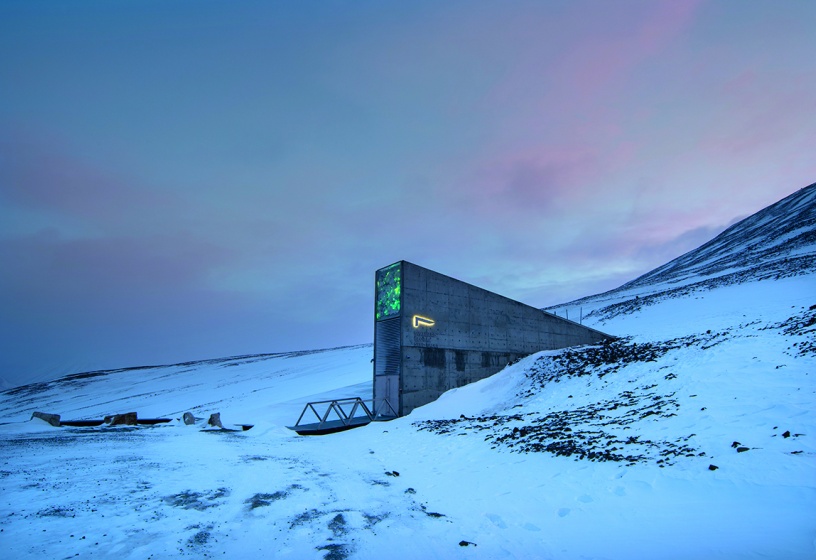
Svalbard, The World's Food Diversity Vault
If you had to store the world's agriculture heritage in a safe place, where would you go? The solution lies above the Artic Circle, at -18°C...
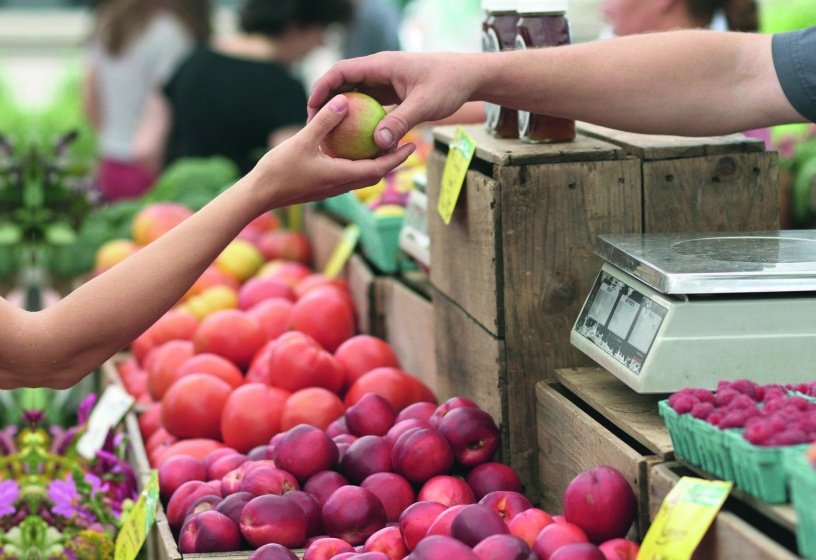
Local is Back
Consumers are concerned about the mileage on their plates... and the impact of globalization. Tomorrow, all locavores?
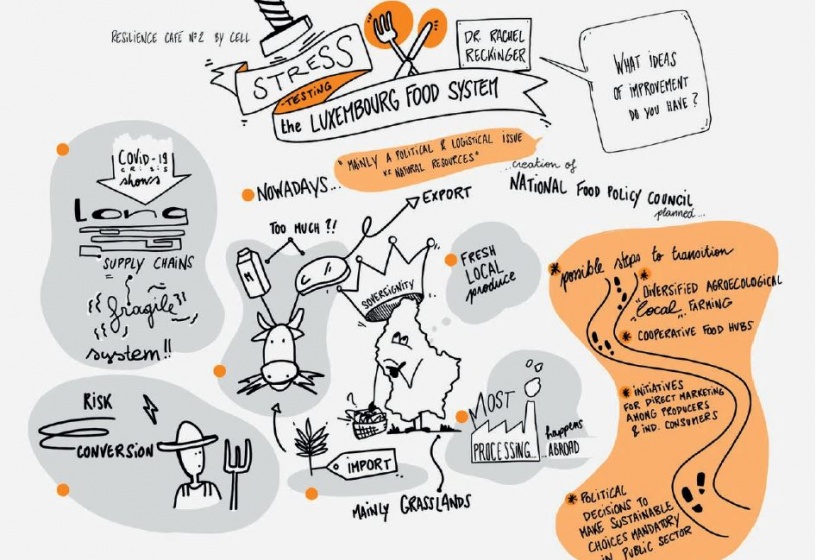
Some Reflections on the Resilience of Luxembourg's Food System
Rachel Reckinger, anthropologist and food sociologist at the University of Luxembourg, outlines the paths to a resilient food future for the Grand Duchy.
Ideas sprouting up all over the world
From Japan to Brazil, local initiatives inspire our food future. A quick overview.
DOSSIER / The Hindered Power of Trees
Those Falling Giants
More than 2,000 trees are destroyed worldwide every minute. The stakes are unprecedented. Carbon sinks, biodiversity sanctuaries, pillars of food security... All regulating functions that must absolutely be preserved.
The Genius of the Tree in 20 Essential Services
Pictorial return on their essential contributions to our daily lives.
Tristan Lecomte : "Trees are the Best Investment on Earth"
Founder of PUR Projet Tristan Lecomte has already replanted millions of trees. Today, this serial entrepreneur shares with us 2 new projects.
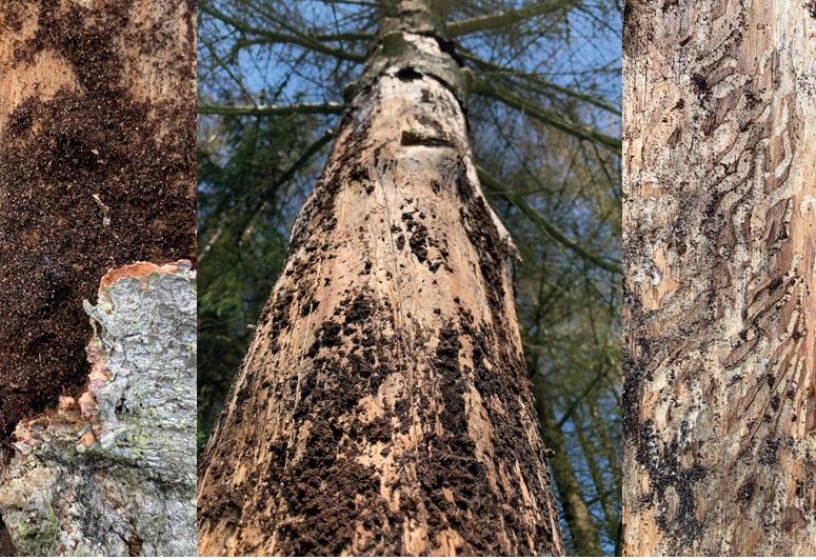
Luxembourg's forests in critical condition
The Administration of Nature and Forests of Luxembourg's latest report reveals that more than half of the observed trees reveals a deteriorated health condition.
Frank Wolter: "It won't be the Same Forest"
Administration of Nature and Forestry of the Grand Duchy director Frank Wolter is concerned about the degradation of Luxembourg's woodland areas. Keys to understanding and courses of action.
DOSSIER / Feed The City
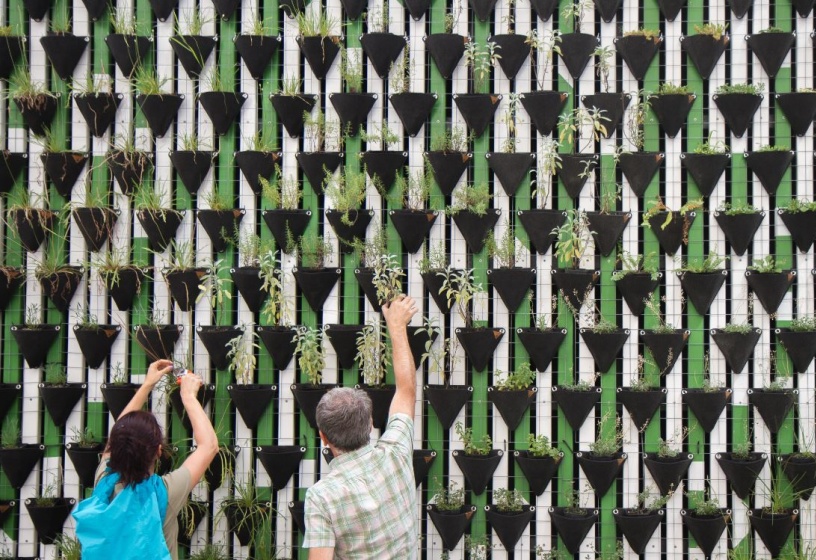
Corporate Gardens
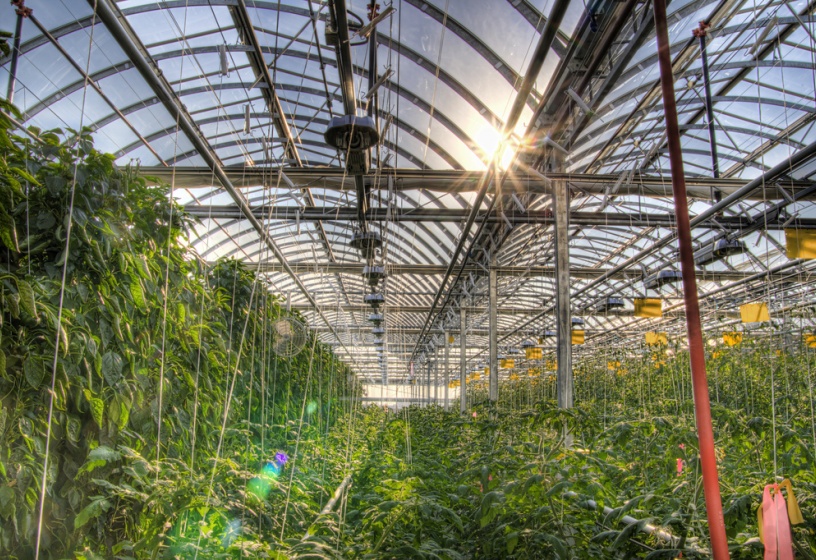
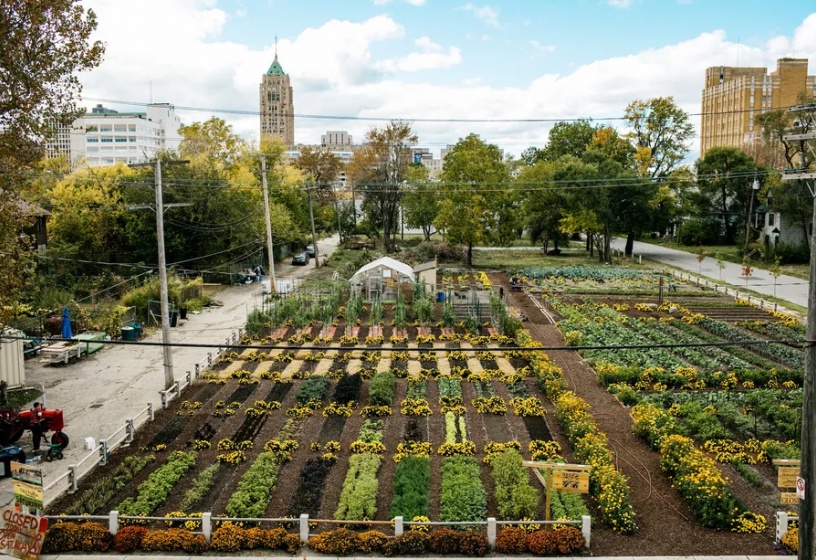
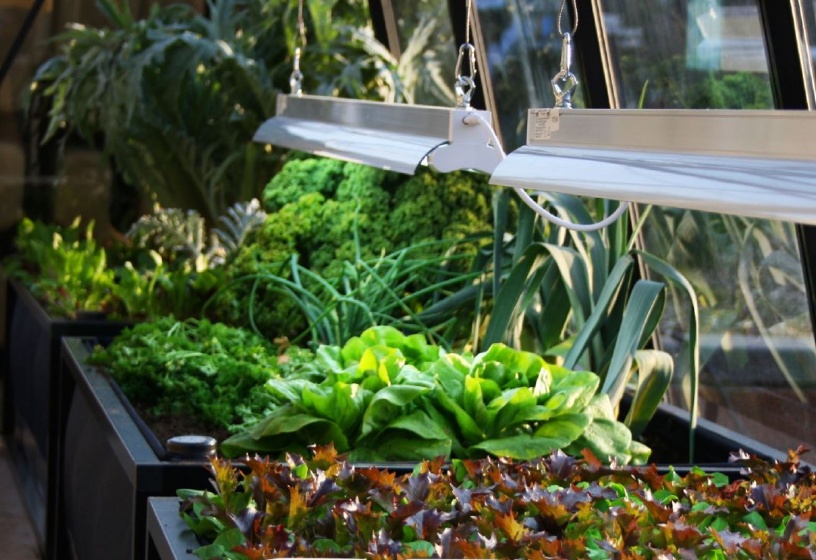
Farms and urban gardens, greenhouses on company rooftops... A green wave to improve the wellbeing of city dwellers and encourage short circuits.
A Flourishing Urban Agriculture
From Montreal to Singapore, a closer look on these metropolises that bet on urban agriculture's promises.
Marielle Dubbeling: "People in Luxembourg don't feel the need yet"
Interview with RUAF Foundation Director, and urban agriculture and food security specialist Marielle Dubelling. The time for new regulations has come.
Urban farming and buildings’ noble function
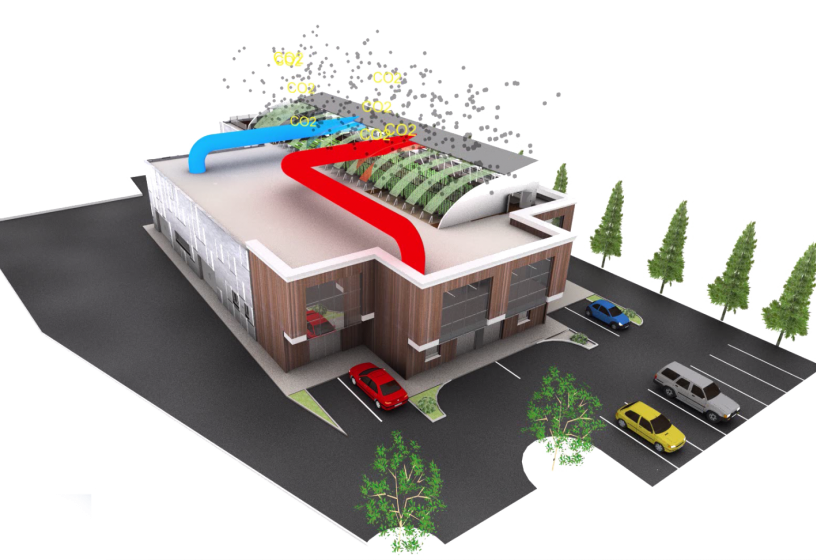
Bringing agriculture back to the city. This is the ambition shared by Luxembourg General Manager of CDEC Group Bruno Renders in this forum. An approach that involves new functions for buildings.
Urban Agriculture in Brownfields
A new life for these abandoned lands which represent an important vector of urban development. Still, this potential calls for a precautionary principle.
Myfood, a Start-up that Grows
Solar-connected, easy-to-use greenhouses. An innovative concept backed by digital natives seeking to "connect to re-connect".
DOSSIER / Plastic Age
A matter of usage...
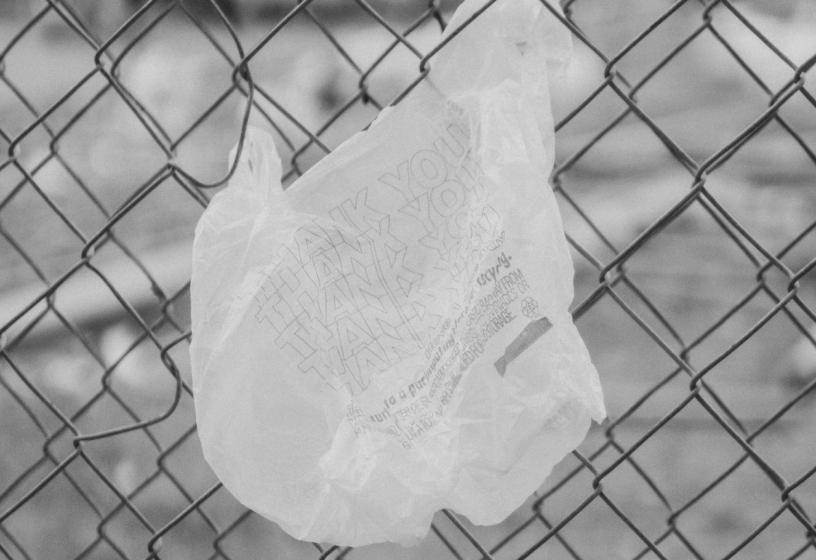
The time has come: no more plastic! Let's think about the materiel "whose name must not be pronounced", let's question our uses and try to find alternatives capable of replacing it.
Companies that Say Stop to Single-Use Plastic
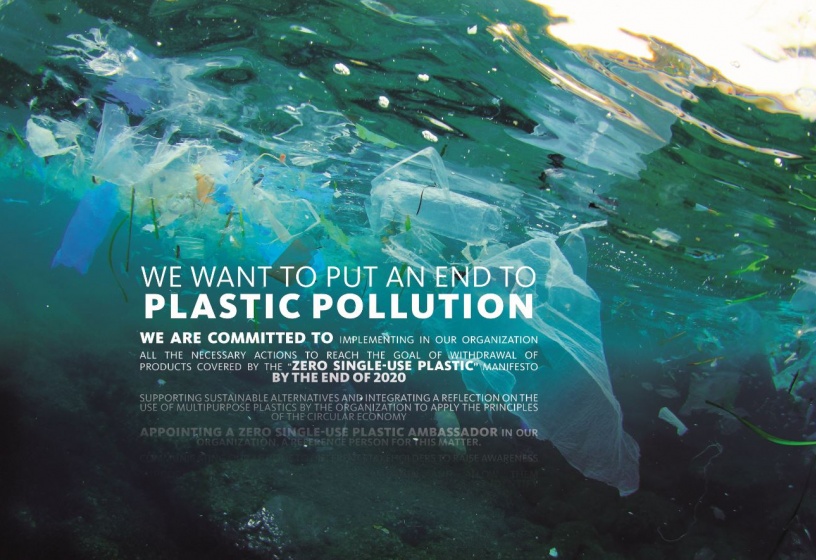
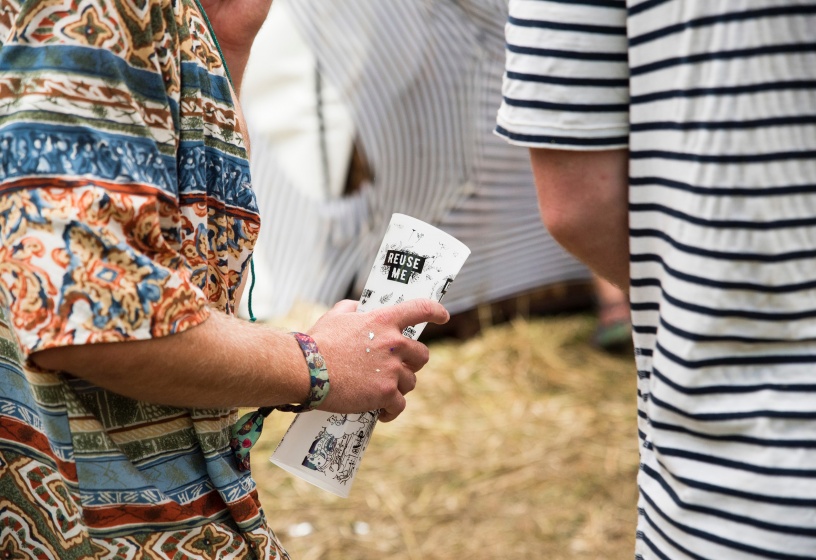
No more plastic cups, bottles or stirrers in our offices! Organizations in Luxembourg have taken action by signing the Zero Single-Use Plastic manifesto to fight against this ecological disaster.
Single-Use Plastics: True from False
Do plastics contribute to global warming? Are babies born pre-polluted? Is bio-based plastic the solution? Here are some answers to help you distinguish between reliable information and preconceived ideas.
Under the Eye of Microscopes
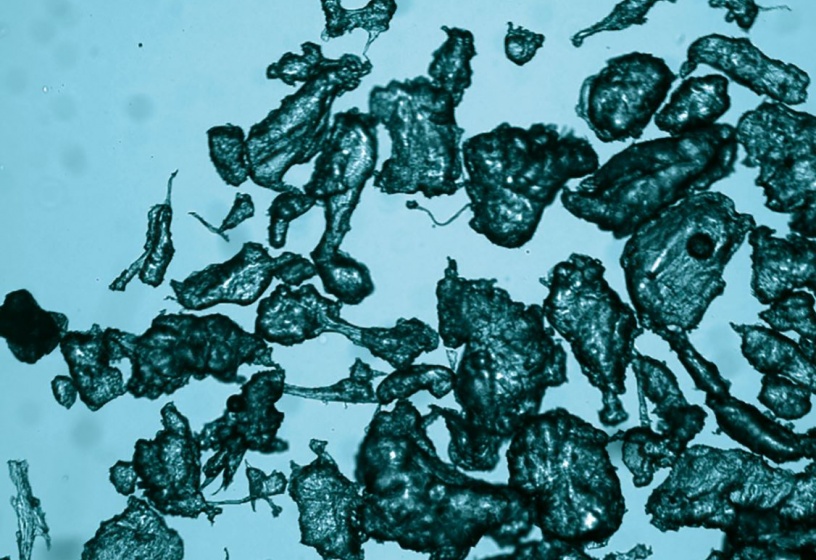
Plastic pollution is also micro and nano particles and although this waste seems invisible to us, it is no less dangerous. Science tells us why.
A Hazardous Immersion
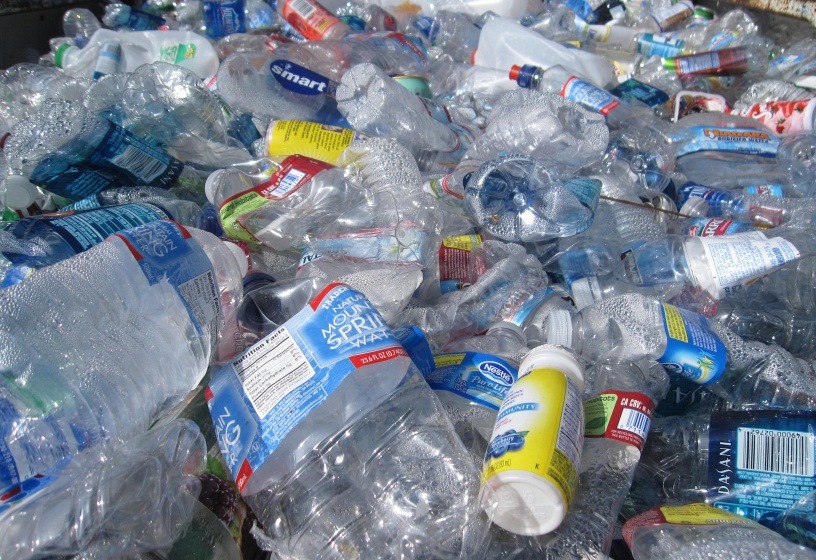
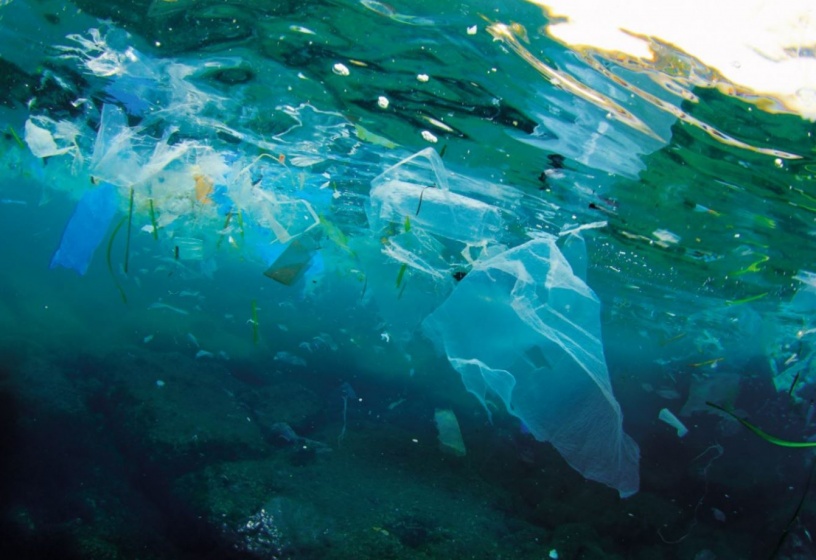
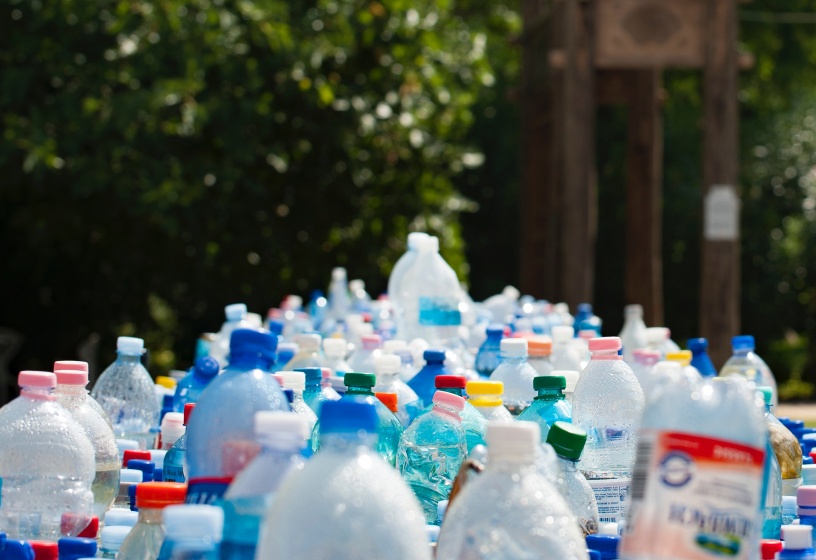
One million plastic bottles are bought every minute in the world. At this frenetic rate, the equivalent of one rubbish truckload of this "modern-day material" is dumped into the ocean... Exploration of a plastic world.
Solutions are in the making
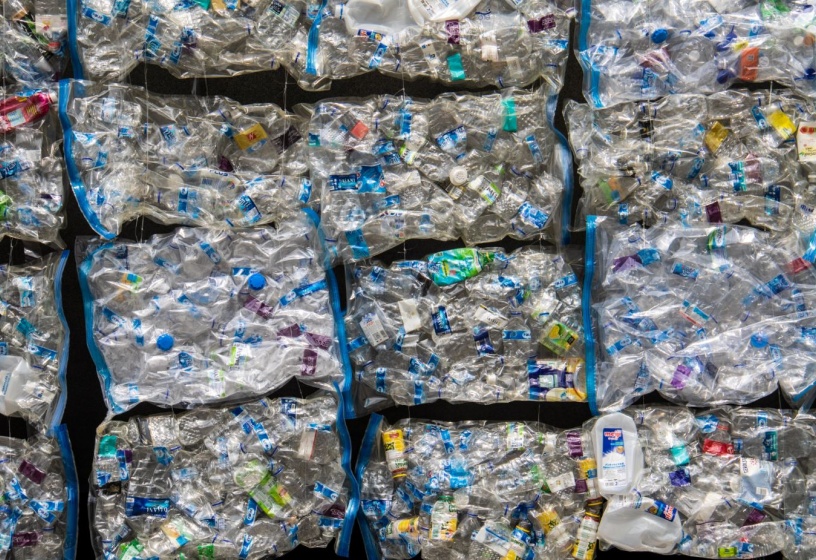
Discover 10 companies that have redesigned their use of plastics. From PET-destroying bacteria to recycled bottles, these brands had to be inventive to meet the waste challenge.
"The purchaser has the power"
Sustainable Purchasing Manager, Sandrine Grumberg, presents the many solutions available to companies that seeking to implement a sustainable purchasing policy.
DOSSIER / Pollution Lumineuse
A desire to star bath?
Considering the significant impacts of light pollution on human health, biodiversity and energy consumption, and in face of the simplicity of the solutions, one may wonder why human societies haven't addressed the issue yet.
Loss of the Night
With the energy crisis, superfluous lighting is being highlighted. Here and there, neon lights, illuminated displays and other useless streetlights are starting to be switched off at night and citizens' groups are forming to unplug store signs.
Photopollution
Photopollution has negative consequences on biodiversity and animals, on our health, on the economy...
Daniel Gliedner: Reducing the extent of light pollution
Backed with thirty years of experience in the field, Daniel Glider now works as a lighting consultant for the Our Natural Park. Because he works with public authorities, companies and private individuals, he knows the situation in Luxembourg better than anybody, and the measures that need to be taken to limit this pollution.
Also to Discover
Tomorrow...
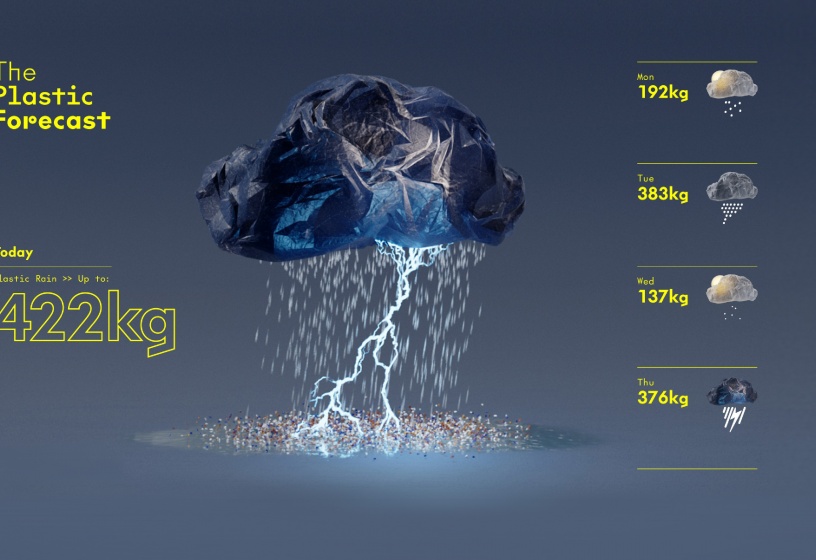
By using the codes of a classic weather forecast, an Australian organisation is raising awareness of the impact of microplastics, which are invisible to the naked eye yet very present and dangerous. The Minderoo Foundation's campaign, called "The Plastic Forecast", uses urban posters to alert passers-by to this increasingly worrying issue.
The bocages, a salvatory path in Burkina Faso
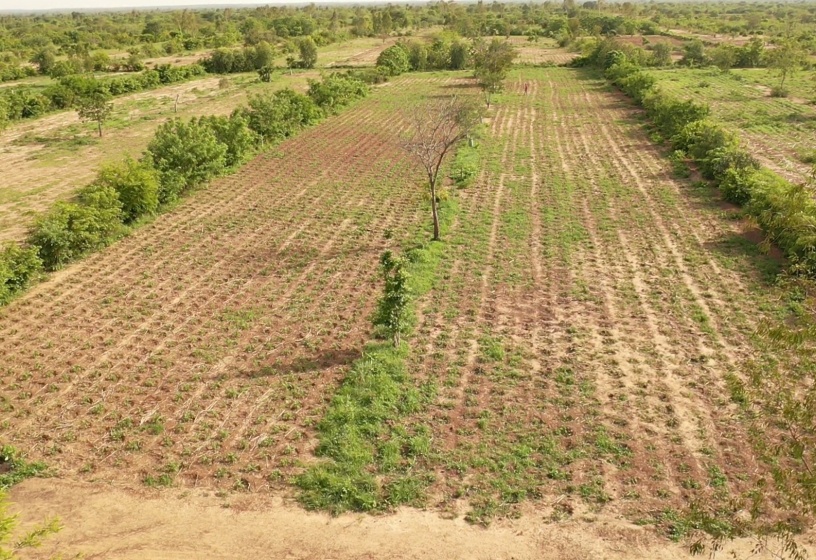
Today, certain agricultural lands in Burkina Faso, which had been dried out and unsuitable for exploitation, are coming back to life. Their yields have increased, the farmers who exploit them are finding a decent way of life and the biodiversity that they once sheltered is gradually prospering again...
Neurodiversity at work: under the corporate radar
ADHD, autism, dyslexia, dyscalculia ... The list goes long of unusual cognitive functions that have difficulty finding their place in the world of work. Still largely unknown, they are often stigmatised.
Glyphosate: A brief history of a massive manipulation
Economic profit for some, ecological and human disaster for others, glyphosate illustrates the complex dynamics and power struggles that weigh on various decision-making bodies in our public life.
Meeting with Frédéric Lilien
Transporting people to the beauty of our fragile world. Immersing the audience into these planet's unseen and feverish wonders to raise awareness about climate change. This was the gamble taken by the nature-loving cinematographer, Frédéric Lilien.
WORDS FOR WOES
Kathy Jetnil-Kijiner is a poet from the Marshall Islands, a place which is suffering the effects of climate change and rising sea levels. Invited to testify at the opening ceremony of the UN Secretary General's Climate Summit in September 2014, she proclaimed this vibrant poem addressed to her newborn daughter. The reading was met with a standing ovation at the time. Today, these verses are considered a landmark text for the expression of solastalgia.
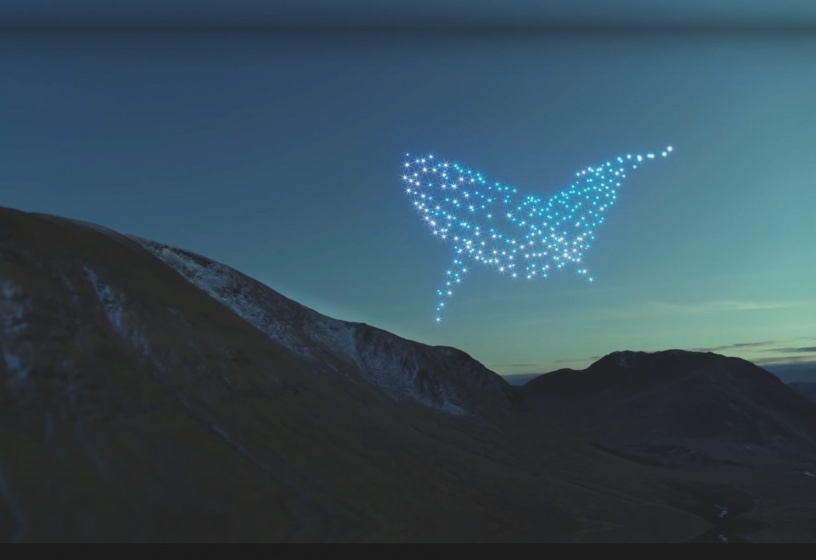
300 Drones, 1 Message: Act Now!
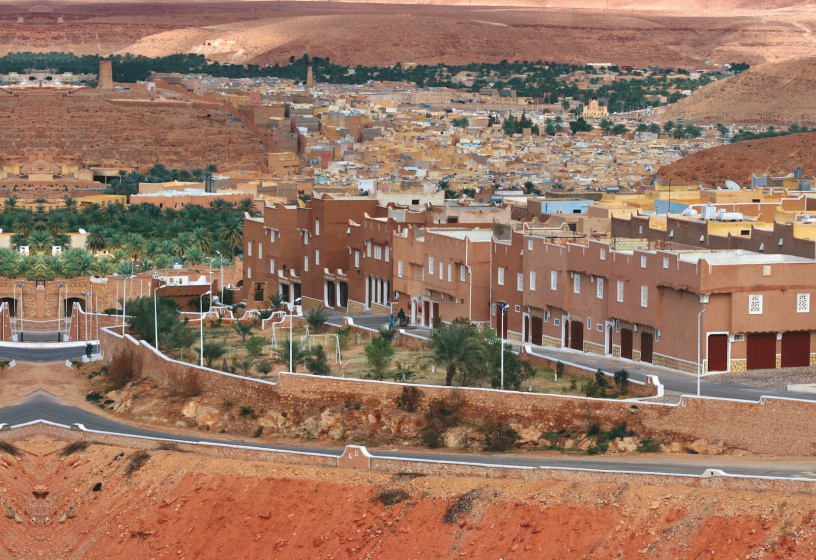
Ksar Tafilelt, A Sustainable Oasis
Built in a particularly arid area, the city Ksar Tafilelt offers an environmental model and responsible community living.
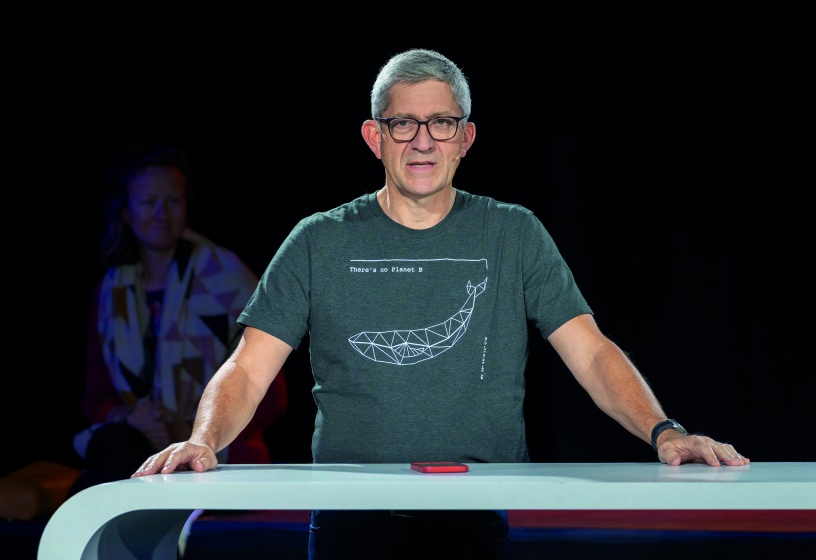
Without further ado
On the occasion of the release of Sustainability Mag #13, read the post by Christian Scharff, President of IMS Luxembourg, on the urgency to act.
Meet with Alexis Rosenfeld: explorer of the underwater world
Diver and photographer, he explores the mysteries of the underwater world and shares its wonders. Commissioned by UNESCO for the "1 OCEAN, The Anatomy" project, he tells us about this exploration.
james smith
COP26, A Watershed Moment for Business Action in 2022
James Smith, Director of Natural Climate Solutions at the World Business Council for Sustainable Development (WBCSD), looks back at the momentum generated by business at COP 26.
Climate Heroes
Max Riché has captured the faces of Ramborn. A cider factory that is working to regenerate more than one million square metres of ancient orchards.
Kitamaya, and the Tree Will be Saved
Although wood is an ecological material of choice, its production is rarely sustainable. However, in the Land of the Rising Sun, an ancestral practice born in the Kitayama Mountains lives on.
Hope & Fear
2007. An eye-opening year on sustainable development challenges. This "inconvenient truth" is now visible to all. But how far have we really come?