As some Luxembourg organisations turn to nature
In Luxembourg, some companies are taking a closer look at their ties to the natural world, putting biodiversity at the heart of their operations. We met with three organisations committed to protecting nature.
In the north of the country, construction company Scartech is on a mission to prove that the building sector and nature don’t have to be at odds. The company tackles this challenge on multiple fronts. First and foremost, it works to reduce its negative impact by limiting waste and ensuring proper recycling. "Construction practices are evolving," says Alexander Scheuren, a member of the management team. "We now need to think further ahead when it comes to waste disposal and sustainable building." He highlights alternative insulation materials such as sheep’s wool, recycled denim cotton, and even grass, which are sustainable options that challenge traditional methods. While cost is an issue, the bigger challenge lies in addressing pollution and recycling from the design phase onwards. "Projects need to be conceived with sustainability in mind from the very beginning," he says, stressing the key role architects play in that shift. "We need to rethink the entire process so materials can be dismantled and reused in 80, 100, even 200 years." As a small business, Scartech can afford to be selective about its clients and projects, giving it the freedom to support environmentally friendly initiatives. The company also partners with national nature parks to install infrastructure and adopt practices that protect local bird species such as barn swallows and kestrels.
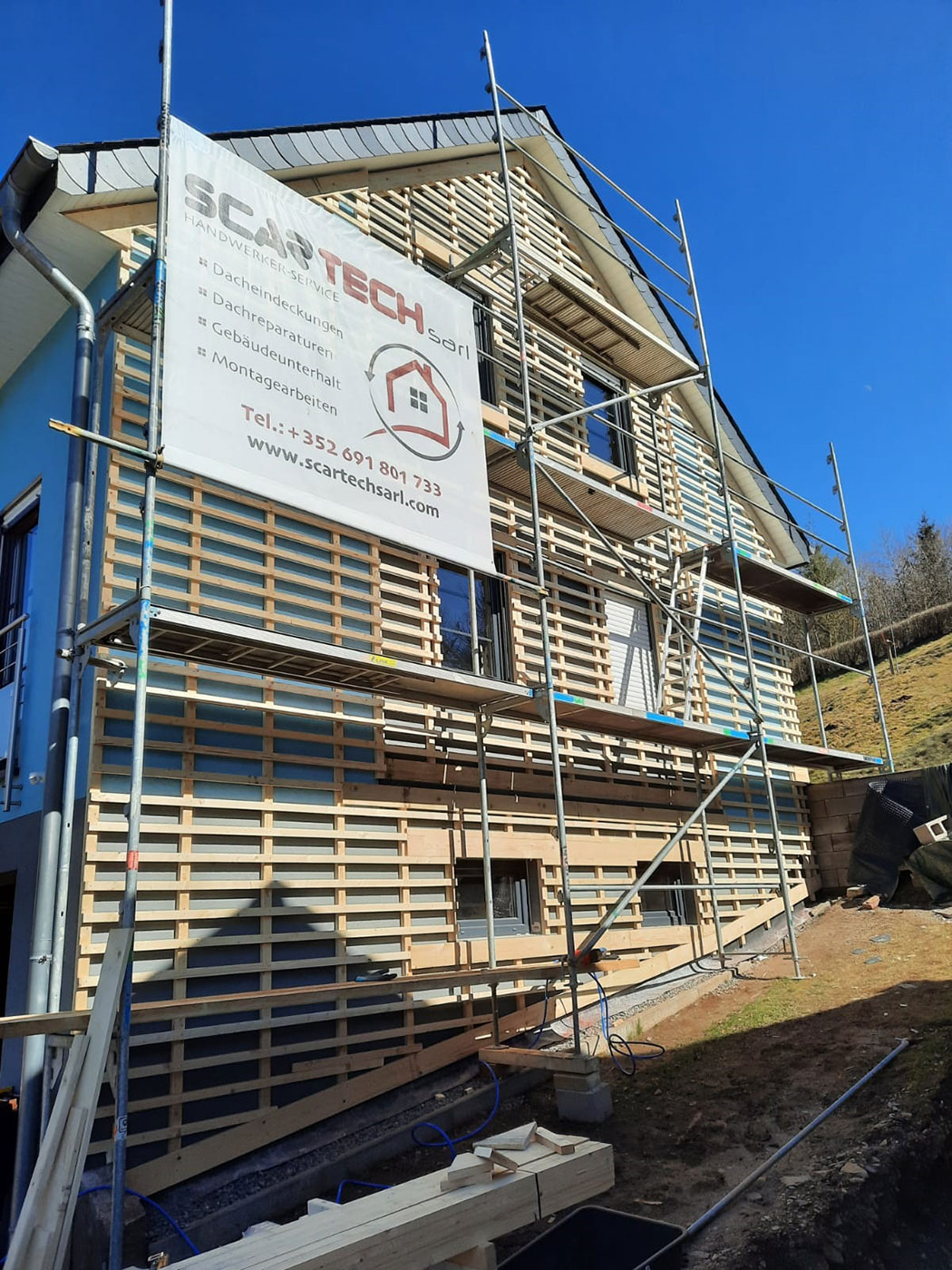
Façade cladding in natural materials carried out by the Luxembourg-based company Scartech.
In a completely different sector, Phil Keech, Head of Sustainability at the International School of Luxembourg, outlines the school’s new approach to nature at its urban campus in Luxembourg City.
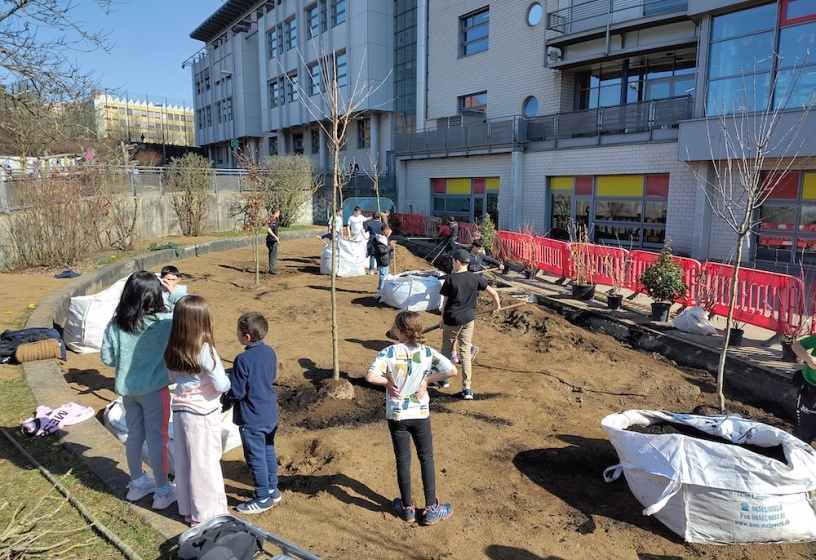
Beyond cutting energy use and lowering carbon emissions, the school aims to boost biodiversity right on its grounds. The school community is being invited to reimagine, regenerate, and rewild its outdoor spaces, turning them into thriving ecosystems and exciting, hands-on learning environments. The goal? To foster "inspiring sustainable learning" in a living, breathing natural setting.
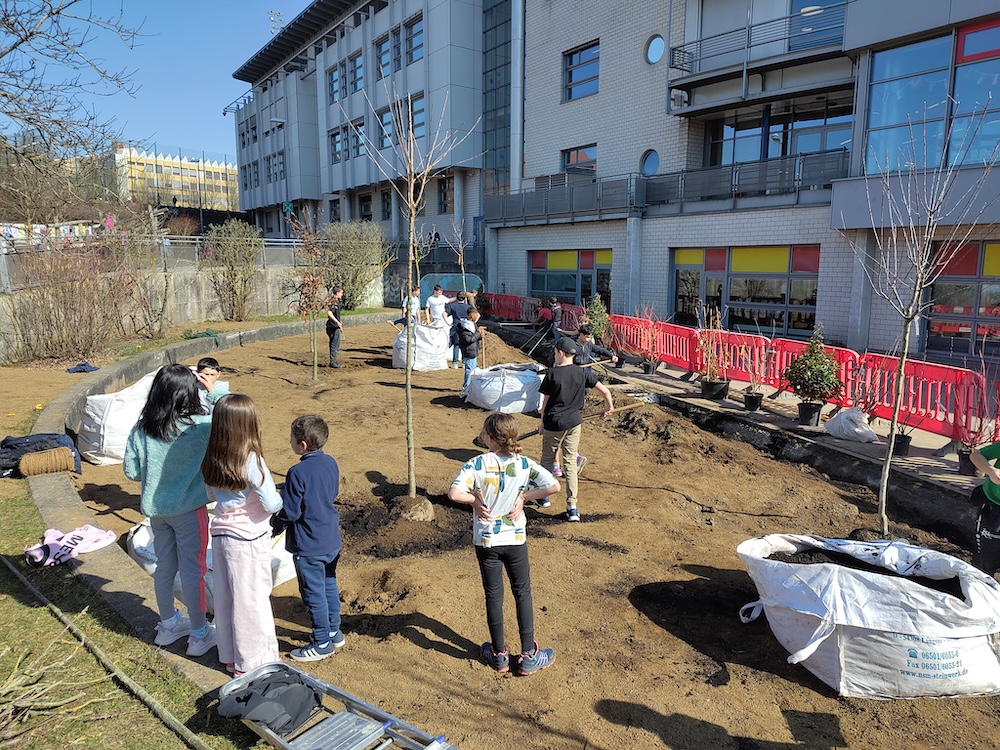
At the International School of Luxembourg, pupils are being invited to reimagine, regenerate, and rewild the outdoor spaces, turning them into thriving ecosystems and exciting, hands-on learning environments.
Sitting at the crossroads of education and construction is IFSB, the Building Sector Training Institute based in Bettembourg. Working at the heart of the construction trades, the organisation aims to raise awareness and inspire nature-friendly practices across the industry. Given the sector’s major impact on biodiversity, IFSB sees a real need to rethink construction methods and bring nature back into built environments. Restoring biodiversity in urban areas and protecting the remaining green spaces is crucial. Camille Hermans, Sustainability Project Manager at IFSB, explains that with the ambitious targets set by the Green Deal and Luxembourg’s national energy and climate plan (PNEC), it’s vital to keep the conversation going and support gradual change. "We need to value every step in the right direction," she says. "Having a nature strategy is a great place to start. It’s a holistic approach that helps assess your company’s impact and take meaningful short - and long-term action to protect biodiversity through your operations and your site." She adds, "I’m curious to see what elements of nature will be included in future construction projects."
More and more companies are beginning to see the environmental and economic benefits of engaging with nature. On 5 June 2025, ten companies took a clear stand by signing the IMS Luxembourg Nature Commitment Manifesto. After months of groundwork, these organisations have pledged to implement targeted actions to reduce their impact and preserve ecosystems.
To be read also in the dossier "The Business Case for Nature"