Seams of Change: Threads of a Better Fashion Industry are Being Woven
With environmental goals now widely recognised and ethical consciousness growing, the fashion industry is experiencing a slow shift. Governments, companies, and alliances are tackling the ecological and social toll of textile production while promoting the principles of a circular economy. From legislations to innovative business models, the following initiatives exemplify the steps that are being taken to embrace sustainability in the fashion industry.
First policy moves to regulate fast fashion
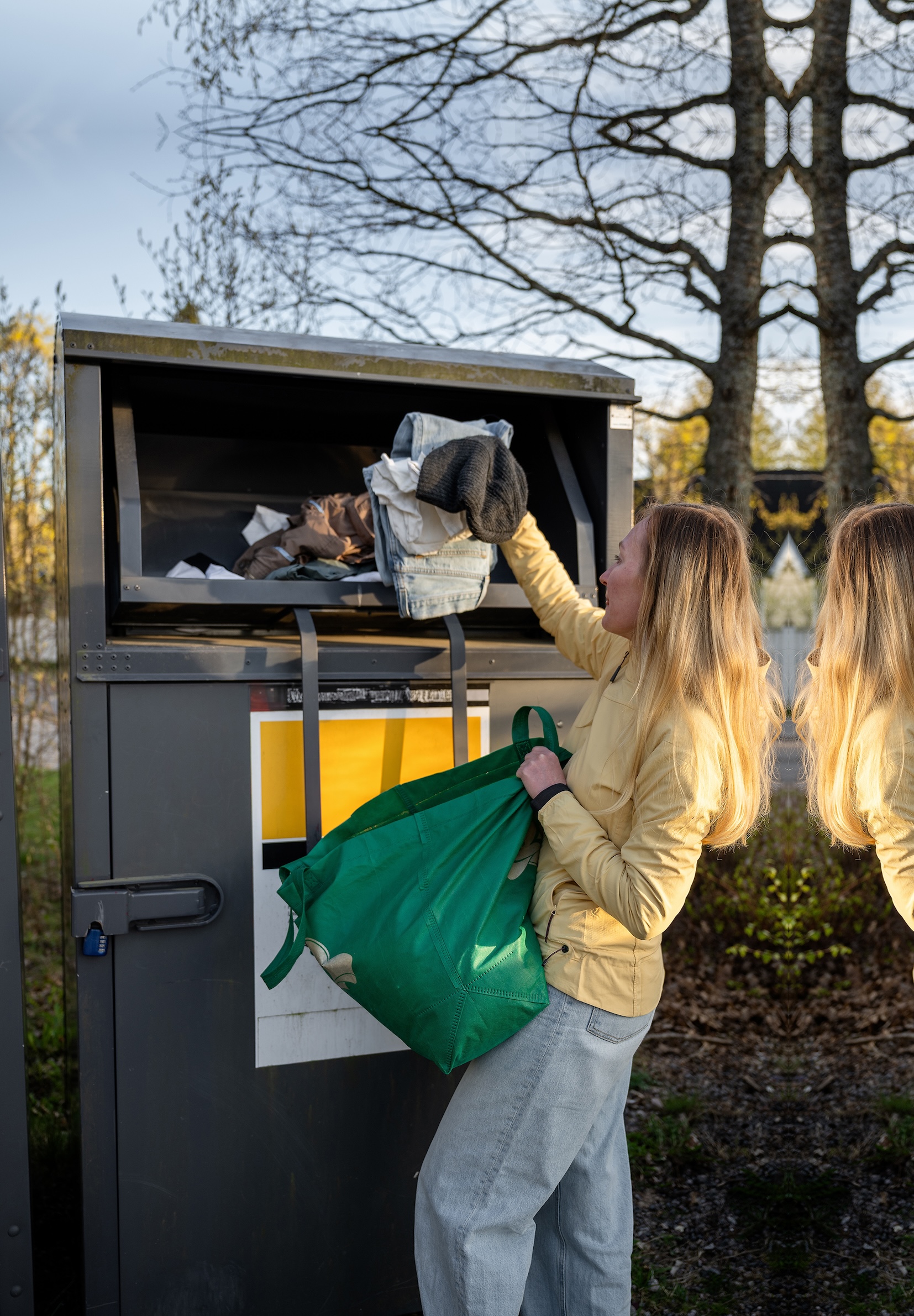
The Strategy for Sustainable and Circular Textiles is a plan by the EU to transform the textile industry into a greener, more circular and socially responsible sector. Its goals are to reduce environmental impact of textile production and consumption, promote reuse and recycling of garments, minimise incineration and landfilling, extend product lifespans and make manufacturers responsible for their products’ entire lifecycle. As of 1 January 2025, all EU member states are obliged to implement separate collection systems for textile waste, which shouldn’t be discarded with general waste. This strategy also aims to give consumers access to affordable long-lasting high-quality textiles and comprehensive information on sustainability and origin of products.
Complementing the EU’s broader strategy, the French Senate has approved a bill to regulate the ultra-fast fashion industry, that will be phased in gradually. Specifically targeting Chinese e-commerce giants such as Shein and Temu, it imposes stricter environmental standards on this booming sector. An 'eco-score' system will impose penalties on companies with poor environmental performance. Those with the lowest scores will be subject to taxes of up to five euros per product in 2025, rising to 10 euros in 2030, with a ceiling of 50% of the product's original price. The legislation will also ban advertising for fast fashion and impose penalties on influencers who promote these products. Parcels imported from outside the EU will have special taxes and free returns will be completely banned. However, the bill draws a distinction between 'ultra' fast fashion and fast fashion, effectively targeting Asian platforms while allowing European brands such as Zara, H&M and Kiabi to be treated more leniently.
Although still insufficient given the scale of the challenges, efforts to regulate the sector are multiplying around the world ; for example, in Australia, with its Roadmap to Circularity, which commits the industry to achieving circular fashion by 2030, and in the United States, with the proposed FABRIC Act, aimed at improving social responsibility in fashion, particularly in terms of working conditions and support for local production.
Signs of an industry coalescing
While governments design policy, coalitions are aiming for concrete practice changes in the industry. One of them is Cascale, formerly the Sustainable Apparel Coalition, a global non-profit alliance focused on accelerating climate action and sustainability, across the fashion industry. Founded in 2009, its 300 member organisations are brands, manufacturers, retailers, NGOs; together they represent 40% of the global industry. The organisation develops and maintains the Higg Index, a standardised tool that measures and scores environmental and social performance of a company or product across its value chain. Every Cascale member has access to these tools, regardless of size or their level of ESG, enabling smaller companies as well to evaluate and progress in their sustainability goals.
As part of its mission to decarbonise the industry, Cascale launched the Manufacturer Climate Action Program (MCAP). It is an initiative that enables both member and non-member textile, apparel and footwear manufacturers to set science-aligned targets with the goal to cut GHG emissions by 45% by 2030, from 2010 levels. A year after its launch, MCAP engaged more than 60 organisations, together accounting for roughly 80% of the sector’s emissions. Furthermore, through the Higg Index and strategic partnerships, Cascale has achieved the adoption of science-based targets by more than half of its members, and continues to offer trainings, data frameworks, and policy aligned support. Although its implementation has sometimes been uneven and slow, this initiative to unite a highly fragmented sector shows promising signs of large-scale collective action.
Brands setting the example
On the brand level, innovative companies are transforming production processes and redefining how consumers interact with fashion.
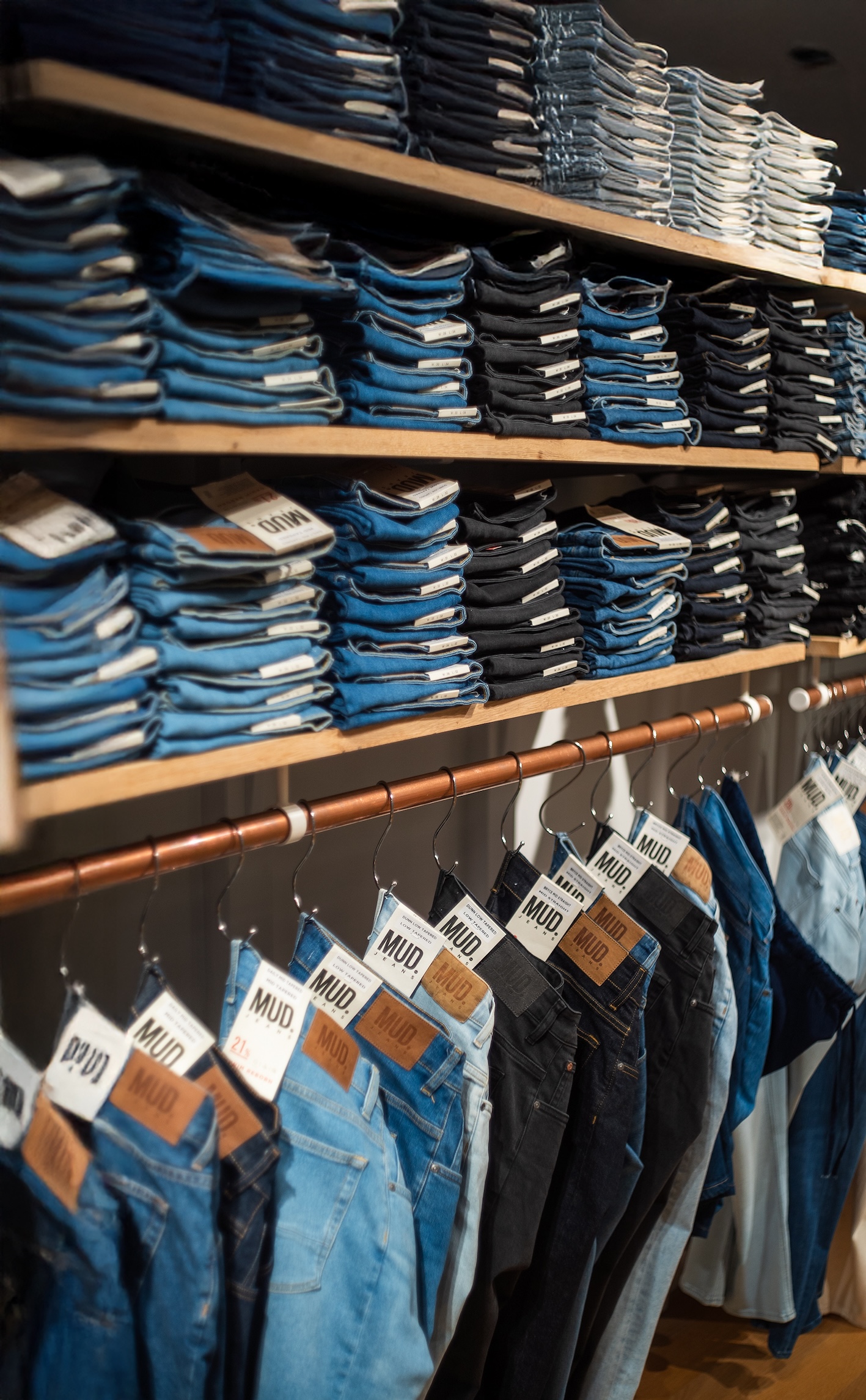
MUD Jeans is a BCorp-certified denim company based in the Netherlands, dedicated to advancing a circular economy in fashion. One of its innovative initiatives is the "Lease a Jeans" program that redefines clothing ownership by giving the customers the choice of renting the jeans for a year and then keeping, swapping or returning them. Through their "Take-Back" scheme, the returned jeans are weaved into new thread and mixed with new organic cotton to ultimately sew new jeans. Their R&D partnership with Saxion University and recycling technology experts allowed them to produce the first ever pair of jeans from 100% used and discarded denim. This system not only extends the life cycle of garments but also avoids valuable materials to end up in landfills. MUD Jeans employs ozone washing technology, avoiding harmful chemicals and reducing water consumption; 95% of the water is then filtered and reused, while the remaining water simply evaporates. This combination of circular business strategy and sustainable innovation makes MUD Jeans one of the most forward-thinking fashion brands today.
Based in Biella, Italy, REDA is a family owned vertically integrated wool fabric manufacturer dating back to 1865. The brand sources all its wool through the ZQ Merino program, that guarantees animal welfare, environmental protection and social responsibility. Indeed, sustainability is of paramount importance in REDA’s production model. By installing closed- loop water systems and high efficiency dyeing machinery, they were able to reduce water consumption by 35%. About 90% of the energy used in its facilities is renewable energy, such as hydroelectric as solar. Their vision is to become climate neutral by 2030. REDA also achieved the B Corp certification in 2021, meeting verified standards of environmental and social performance all while being transparent and accountable. Furthermore, their fabrics are all OEKO-TEX ® Standard 100 certified, meaning they are free of harmful chemicals.

The cotton used in Patagonia's product is grown organically
In Egypt, Emessa Denim is a family- owned denim manufacturer based in Beni Suef and known for producing high quality garments. Committed to sustainability and strong social responsibility standards, Emessa sources 90% of their textiles from local Egyptian suppliers, reducing its supply chain emissions significantly. The company employs over 2,300 workers, with women holding 50% of management positions. As part of its mission towards greener manufacturing, Emessa uses ozone and laser technology for the finishing of their garments, avoiding traditional water and chemical intensive methods, thus creating a safe non-toxic environment for the factory workers. With the support of the Green Climate Fund and European Bank for Reconstruction and Development (EBRD), Emessa Denim was able to cut CO2 emissionsby46tonnesperyear and halve its water use per garment.
The cotton used in Patagonia's product is grown organically
At the materials frontier, US based Natural Fiber Welding is transforming fashion by developing sustainable materials. Leveraging plants’ properties, they are able to engineer fully biodegradable, durable and scalable materials that are used in fashion and automative industries. Mirium is their 100% plastic free alternative to leather. Its carbon footprint is 5% that of conventional leather and less than half that of synthetic leather. Mirium was featured in Stella McCartney’s 2023 Winter collection in the form of purses. Pliant, derived from the sap of trees inacertifiedresponsiblymanaged forest, is a plant-based foam like material used for footwear soles. These pioneering materials enable brands to reduce their carbon footprint from the source itself.
Patagonia is often considered the leading example of brands transforming the fashion industry, as it has been integrating sustainability into its business model since the 1980s. Starting by donating 1% of its annual sales to charities promoting environmental conservatism and sustainability, nowadays its unique governance and ownership model - with Nature as a shareholder officially holding a seat at its board -, allows the donation of profits not reinvested in the company to support actions that fight climate change. Patagonia also financially sustains the conversion of farms into regenerative agriculture and renewable energy projects.
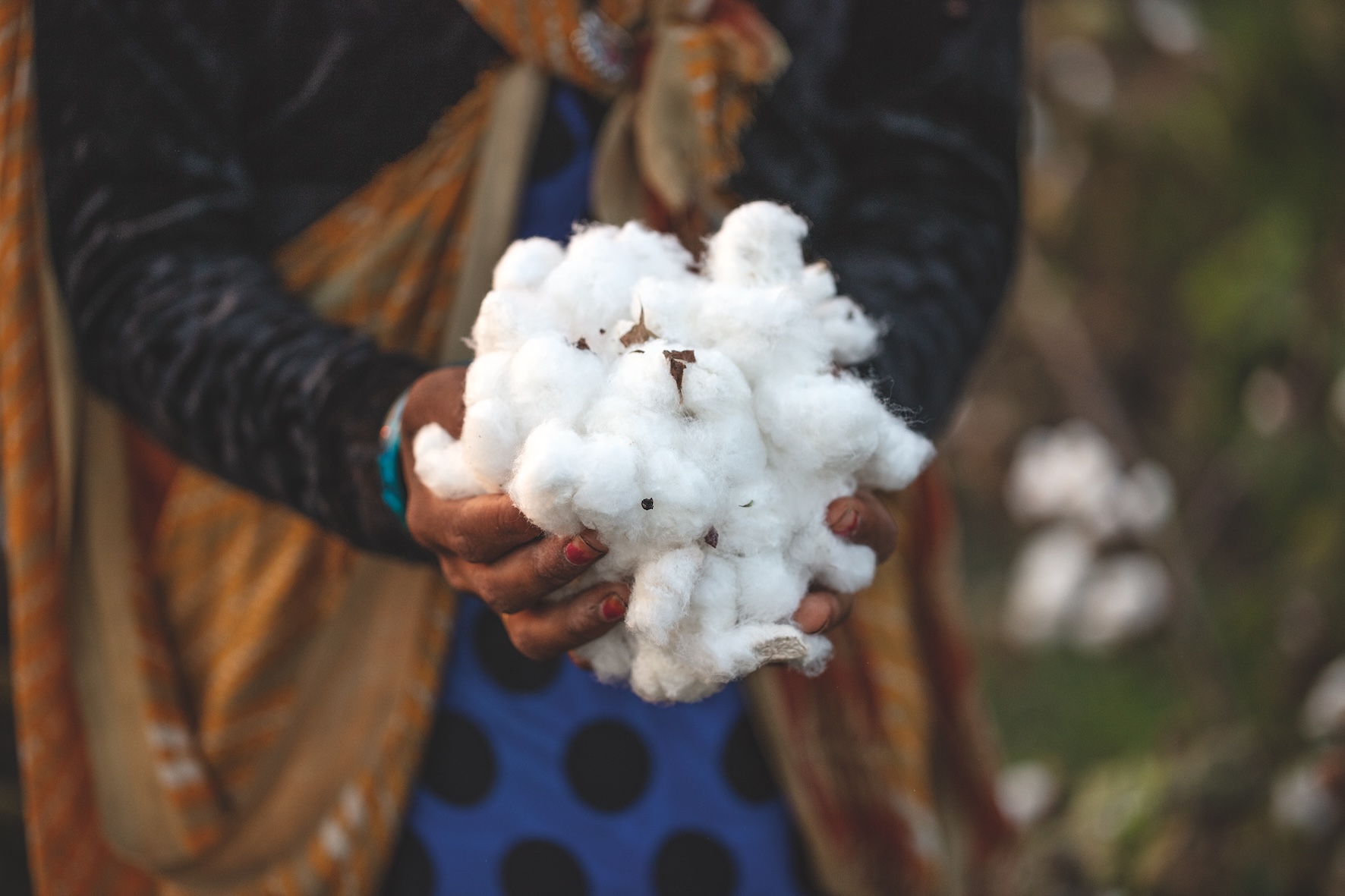
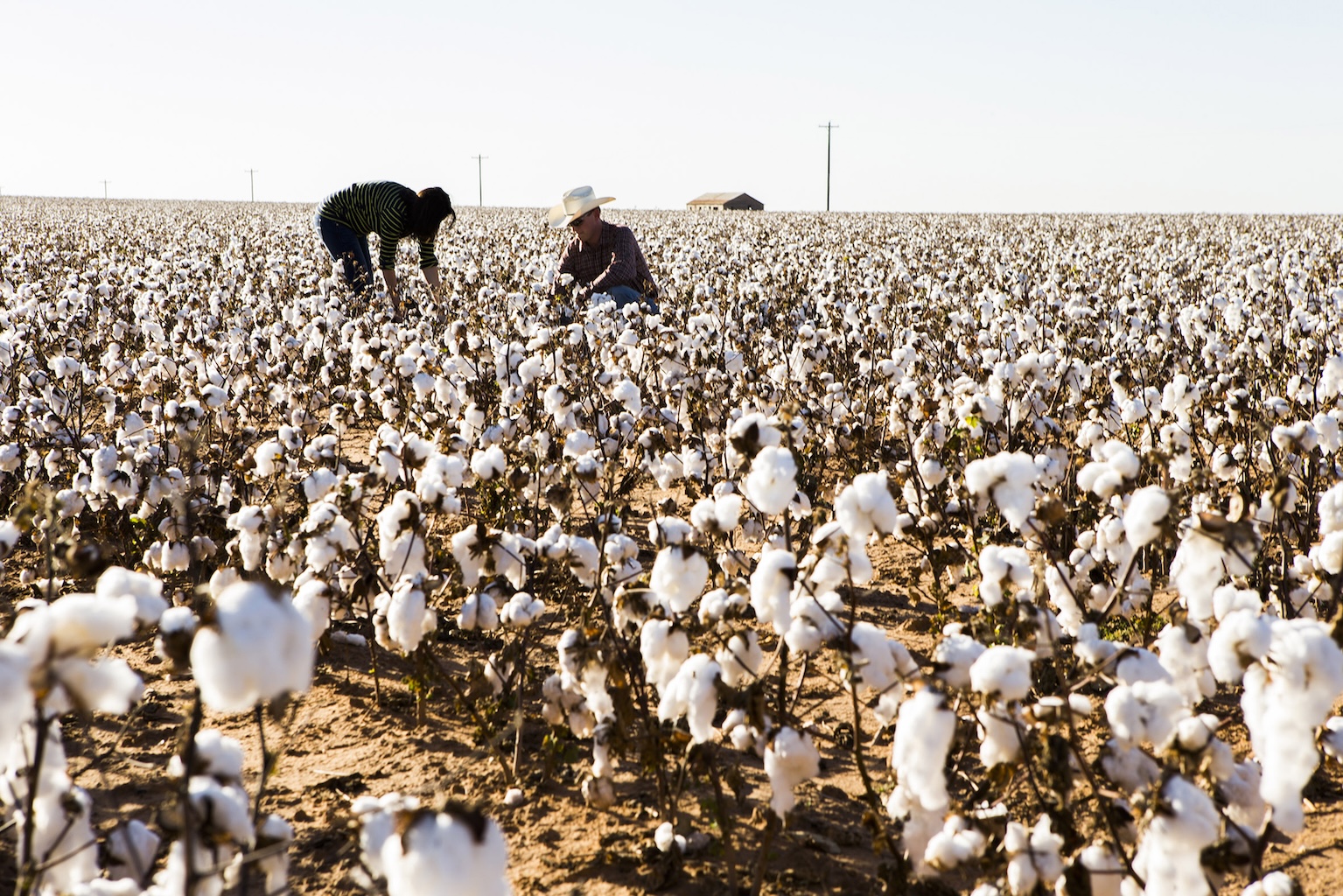
To combat water pollution and intensive farming, since 1996 the cotton used in its products has solely been grown organically. Furthermore, in 2024, 98% of the energy used by Patagonia was renewable. Patagonia is also committed to achieving carbon neutrality across its entire value chain by 2040, as 95% of its carbon emissions stem from this area. Also highly active on the social front, the company has partnered with Fair Trade USA since 2014, and by 2024, 88% of its products were made in Fair Trade Certified factories. Patagonia items made in these factories include an extra cost that goes toward the workers’ Community Development Fund, which is managed by a democratically elected committee of workers.
Sustainable fashion continues to gain momentum, fueled by legislation, innovation, and new alliances, with an estimated €50 billion in additional growth over the coming decade. As consumers grow more conscious and stricter standards are enforced, the fashion industry has the opportunity to become greener and fairer, one garment at a time.