The True Cost of Style: Fashion's Dirty Truth
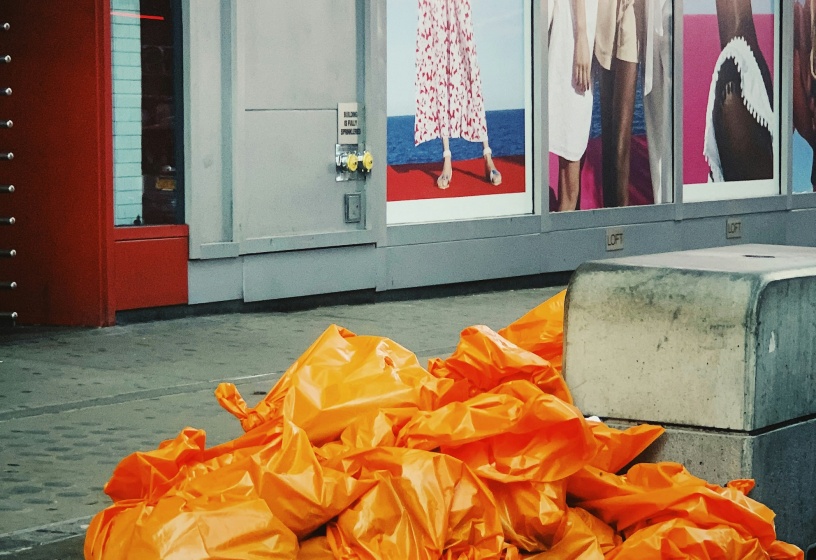
Fashion has evolved from a powerful tool for self-expression into an endless drive of overconsumption. Behind the clothes hanging in our wardrobes, hide staggering statistics about textile waste, water contamination, air pollution and human rights violation.
Styled to destroy?
Hyper-consumerism, the excessive and unnecessary consumption of goods, is largely driven by the fashion industry, today valued at $1.84 trillion dollars by Uniform Market. In the EU alone, the average person has purchased 19 kg of textiles in 2022, an increase of almost 10% in only a couple years, according to the European Environment Agency. The rise in the volume of fashion purchases is closely linked to a decline in garment quality, driven by the widespread use of cheap, unsustainable fabrics. A trend that has halved garment’s lifespan in the last 15 years. Besides, striking figures illustrate the waste caused by textile overproduction: according to Greenpeace, one fourth of garments worldwide remain unsold, while in the EU 9% of textiles are destroyed before even reaching the consumer, according to the EEA.
The rise of cheap ready-to-wear garments, combined with the reduction of their life cycle, have catastrophic consequences on the environment, human health and human rights. From increasing textile waste and pollution to exploitative employment practices, the fast fashion model inflicts devastating effects across the globe.
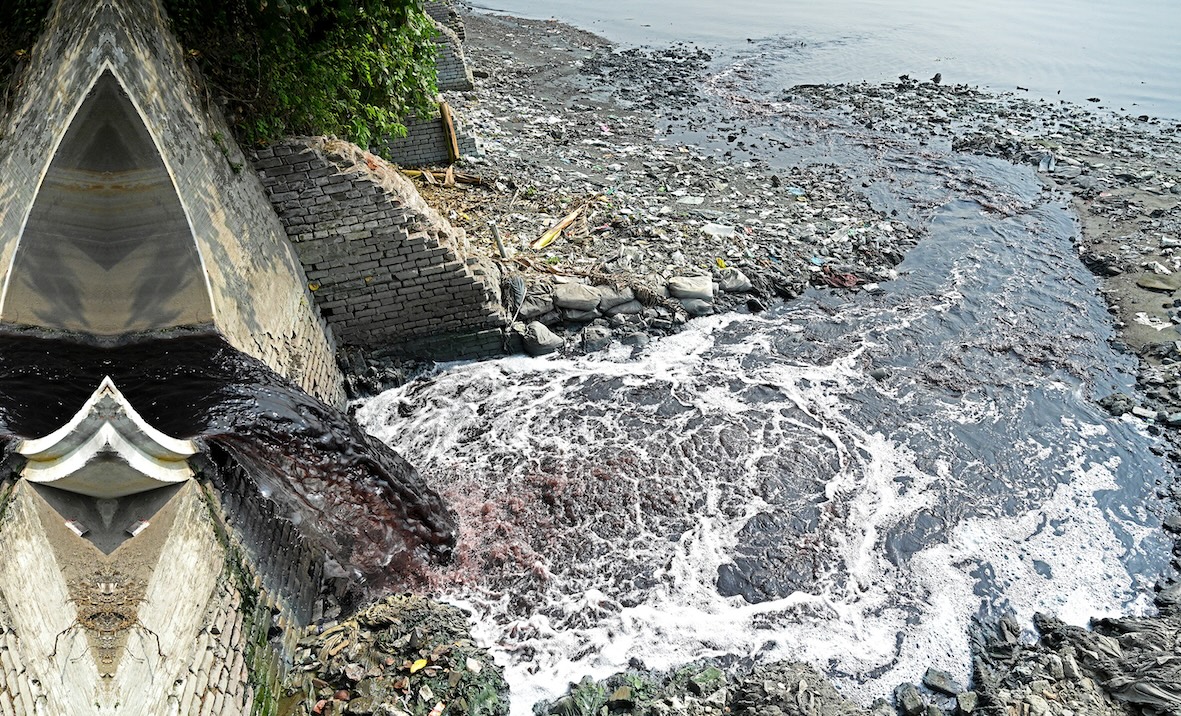
Textile factories discharge highly contaminated industrial waste into the Buriganga River in Dhaka, Bangladesh
The Water Crisis Behind Fashion
Water sources worldwide are contaminated by chemicals and harmful materials, damaging the environment, ecosystems, and our health. Greenpeace estimates that 3,500 different chemicals are used in the textiles production, of which 10% are hazardous to humans and 5% are to the environment. Furthermore, the European Parliament states that 20% of drinking water pollution, stems from textile production.
Cotton production is particularly under scrutiny. Indeed, growing cotton is demanding as it is both water intensive and vulnerable to pests. Globally the crops occupy about 2.4% of agricultural land but use 15% of the world’s pesticides and insecticides in 2019, according to Pesticide Action Network. Furthermore, while 25% of the world population is affected by water scarcity, 2,700 litres of water are necessary to produce a single cotton t-shirt, which equals to the amount of drinking water a person requires in 30 months. Adding to the unbalance, is the fact that 85% of water consumption for textile production happens outside of the EU.
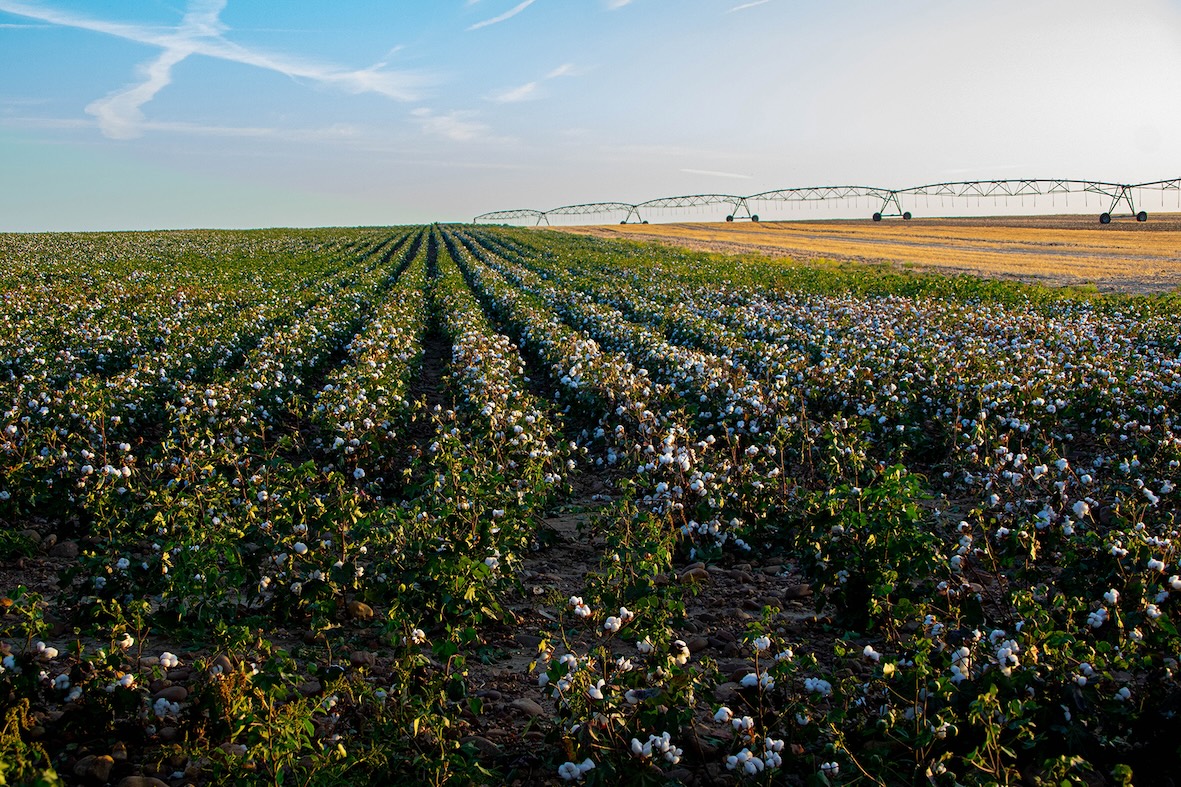
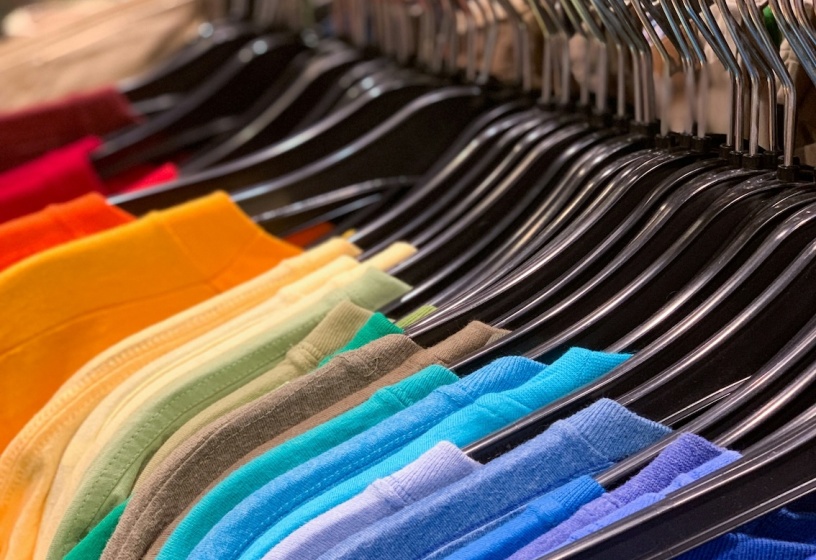
On average, 2,700 litres of water are necessary to produce a single cotton t-shirt
Synthetic textiles are also a major concern as they represent an important source of microplastic pollution in freshwater and marine ecosystems. According to the European Environment Agency (EEA), washing synthetic fabrics accounts for up to 35% of primary microplastics released into the marine environment in total. It estimates that between 200 and 500,000 tonnes of microplastic fibres from textiles enter the ocean each year. Polyester fabric, an artificial derivative of petrol, dominates today’s textile production, making up 57% of all fibres.
Furthermore, studies show that microfibers are not only released during washing, but are shed in the environment throughout the garment’s entire life cycle, including wearing. These extremely small solid plastic particles aren’t biodegradable polluting oceans and other bodies of water as well as the air we breathe. Their presence in the environment is increasingly more evident, as they have been found in all kinds of living organisms and human foods and beverages. Long-term effects of microplastics on agriculture, fishery and health are still unknown, but a further stress factor is the presence of harmful chemicals on these particles.
Fashion and Air Quality: A Toxic Tie
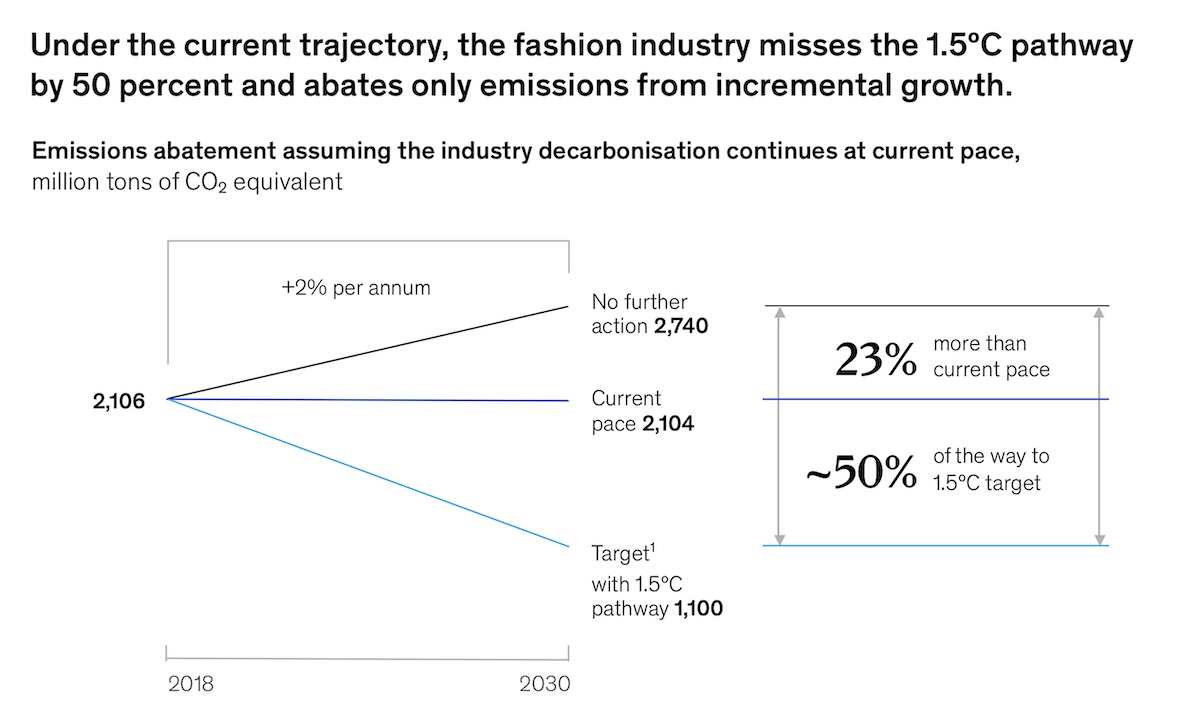
Textile production is also a major greenhouse gas (GHG) emitter, generating 1.2 billion tonnes CO2 annually, more than all aviation and maritime shipping combined. Within the EU, textile consumption contributes around 159 million tonnes CO2, or 355 kg per person each year, says the EEA. Yet, much of the GHG emissions are not only generated from production but also from inadequate end-of-life treatment, including landfilling and combustion. According to McKinsey, the fashion industry emits roughly the same amount of greenhouse gases each year as the combined economies of France, Germany, and the UK. To stay aligned with the 1.5°C pathway set by the IPCC and the 2015 Paris Agreement, it must halve its emissions by 2030, or risk overshooting critical climate targets.
One of the major contributors to air pollution is the failure to properly manage the end of a garment's life cycle. In 2022, less than a third of the separately collected textile waste in the EU was reused or recycled, the remaining 73% ended up in incinerators or landfills, which equals to 1 million of textiles wasted annually. Moreover, millions of scraps are hidden in mixed waste, therefore data about the actual amount of textile waste is unknown (EEA).
The majority of this waste is exported to Africa and Asia, where they end up in open dumps or informal landfills, due to the lack of regulation. These landfills present an acute fire risk as open-heap burning is common in improperlymanagedsites;repeatedly reigniting and emitting toxic fumes threaten local communities and biodiversity. These fumes not only emit CO2 but also other air, soil and water hazardous substance, like dioxins, furans, particulate matter, and heavy metals. Textiles containing PFAS (types of synthetic chemicals) are particularly troublesome: when placed in landfills, they slowly degrade, releasing perpetual chemicals into leachate.
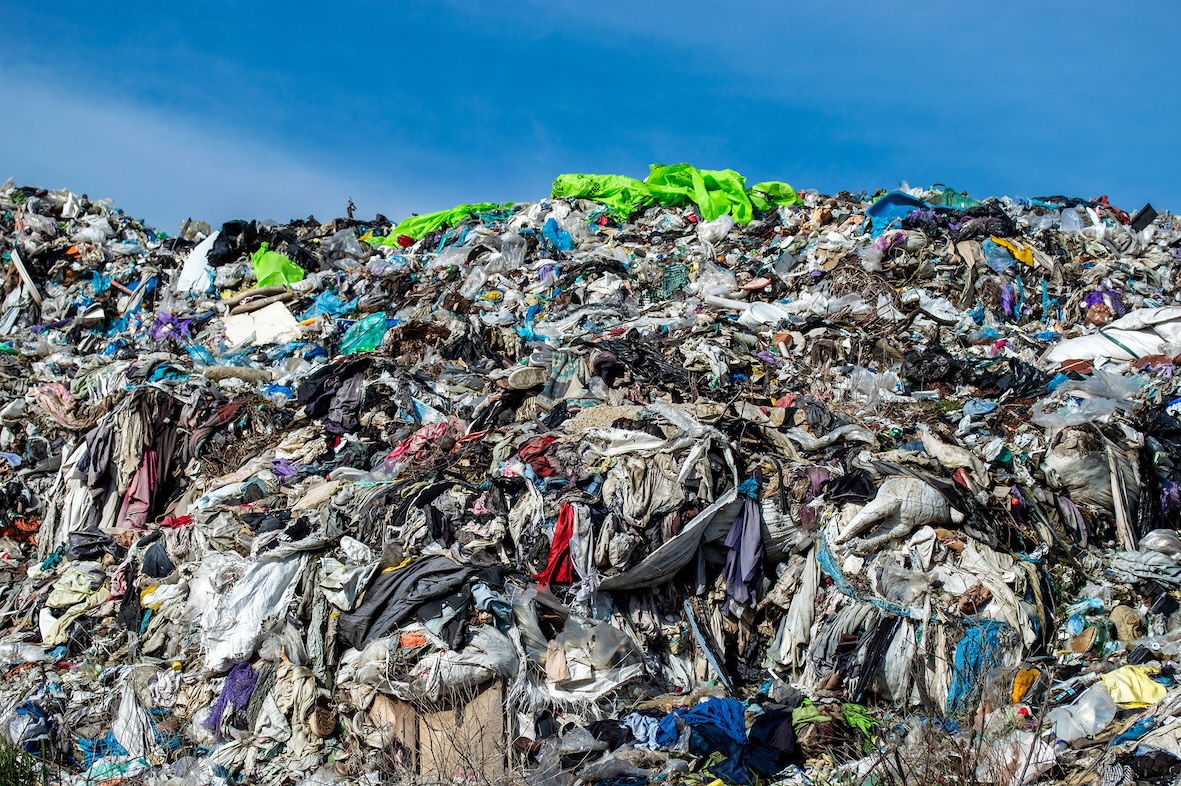
Mountains of clothing: the open-air landfills of Ghana
Kantamanto market in Accra, Ghana, is a major hub for reselling used clothes, mostly low-quality items discarded from the Global North. Unsold garments are washed into the sea during heavy rains or often end up in Old Fadama, Accra’s largest informal settlement with 80,000 residents. There, a dumpsite provides income for waste pickers who recover discarded clothes, wash them in a polluted stream, and sometimes send them back to Kantamanto for dyeing before reselling at lower prices. Years of dumping have created thick waste layers, with frequent fires releasing toxic smoke and textile debris that eventually flows into the sea during storms. Greenpeace air samples revealed dangerously high levels of carcinogens, far exceeding European safety standards, highlighting the serious health risks posed by the open burning of textiles to workers and local communities.
Relying on landfills, incineration, and exports to externalise costs and ensure cheap clothing, contradicts the EU’s core environmental principle "polluter pays". These practices perpetuate environmental injustice, disproportionately affecting disadvantaged communities in the Global South. Open burning and uncontrolled dumping violate not only environmental standards but also human rights, as they expose people to toxic pollution without recourse or protection.
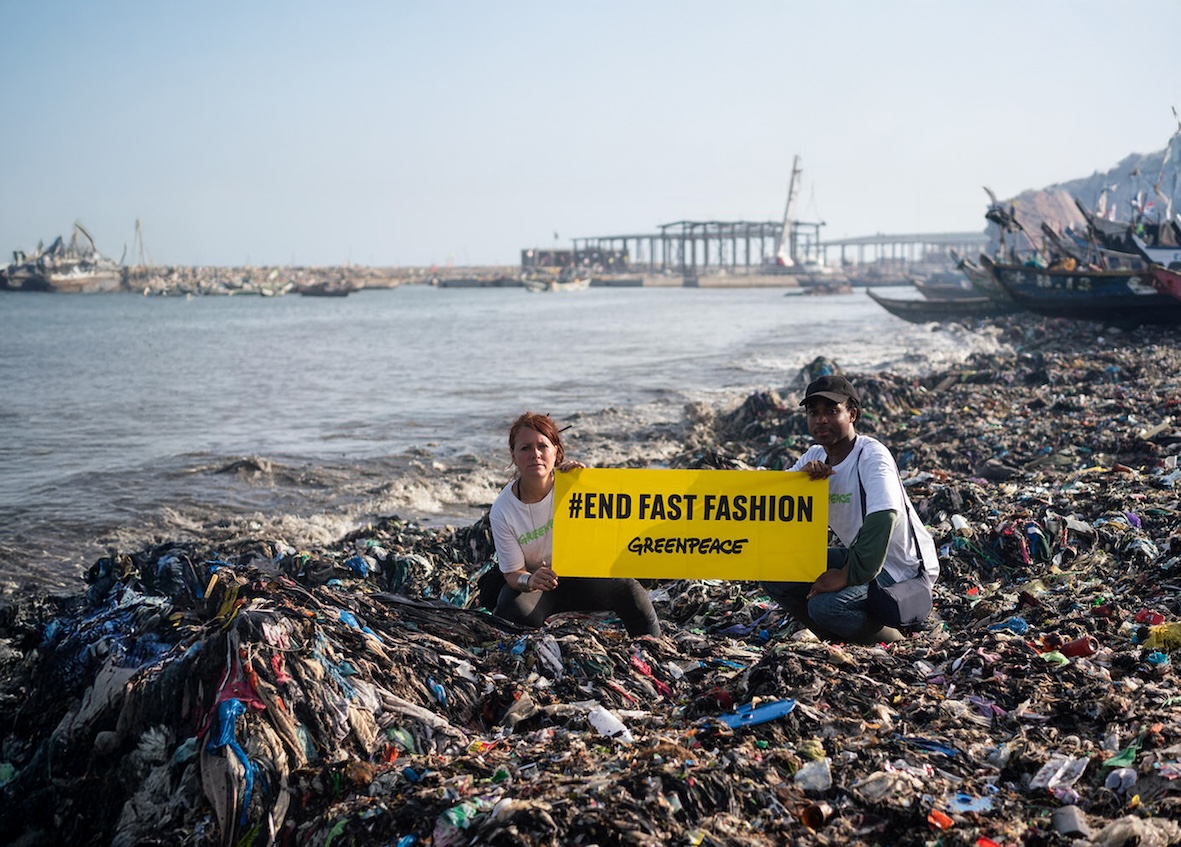
Greenpeace awareness campaign in Ghana, where textile waste dumped in vast open-air landfills is washed into the sea.
From Runway to Sweatshop: The Fabric of Exploitation
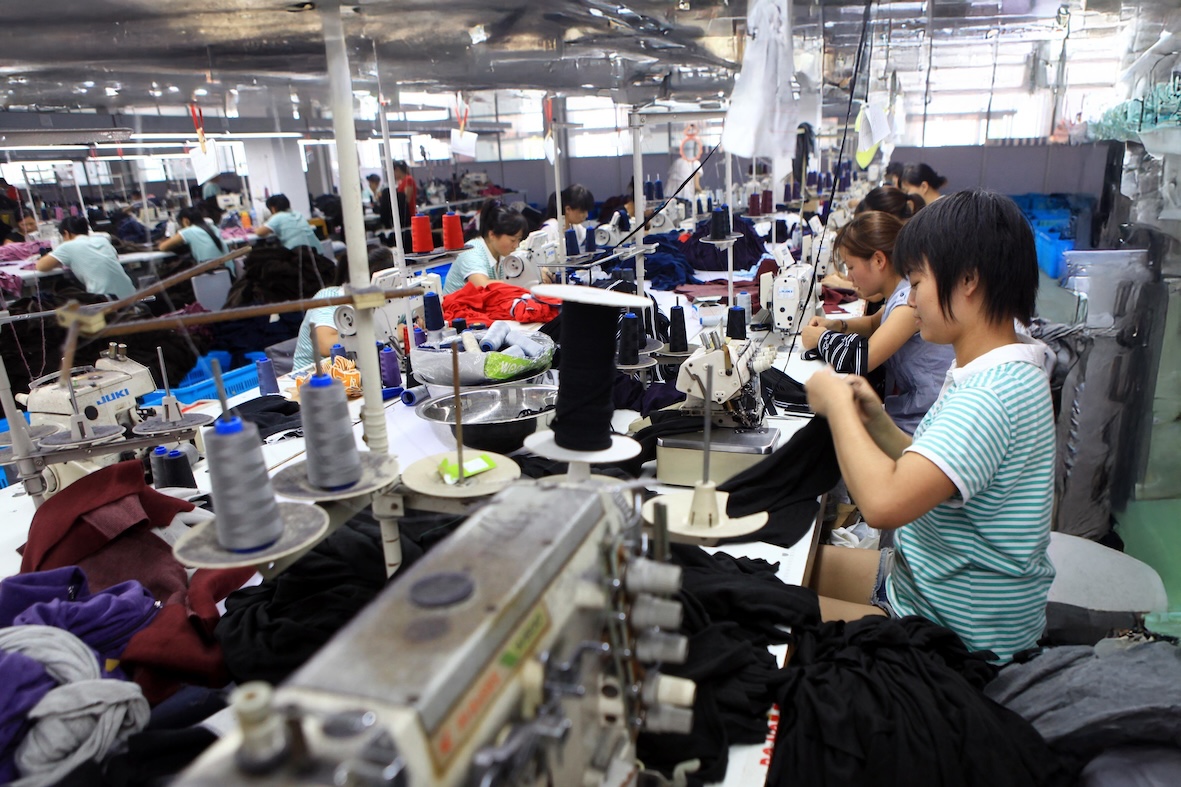
The textile industry employs approximately 65 million people globally, with 75% based in Asia. A significant portion of this workforce, predominantly women, representing 80% of the labour force, endures exploitative conditions, including poverty-level wages, unsafe working environments, and, in some cases, modern slavery. Women are regularly discriminated by being denied maternity leave and getting systematically paid less than their male colleague. Furthermore, because retailers are only willing to buy at the cheapest price, a vast share of owners of textile factories admit they don’t have the means to pay their employees enough to sustain basic life costs. In the 13 major garment-producing countries, the average wage is about 45% below what is considered a living wage, according to data published by The Industry We Want.
Modern slavery is recurrent in factories. An example is the systemic and coercive labour practices in the Xinjiang region in China, a significant global cotton supplier. Ethnic and religious minorities are being compelled ideological and social pressure to leave their traditional livelihoods and take up state-assigned employment, often far from home. Although these labour schemes are presented as voluntary development efforts, The Economist emphasises that refusal to comply can result in punitive measures, including the denial of public resources or the loss of farmland. Many workers are employed under constant surveillance, with little freedom of movement. UN notifies that, in some cases, individuals who were previously detained in re-education centres get transferred to prisons, where they are subjected to forced labour under formal incarceration. In response to this human rights violation, several governments have enacted legislation aimed at restraining such imports. A forced labour prevention act has been passed in 2021 by the United States, requiring importers to prove that goods originating from Xinjiang are free from coercion. The European Union has approved similar regulations, which are expected to come into force by 2027. Despite these measures, trade with Xinjiang continues to grow, highlighting the challenges of disentangling global supply chains from the region.
Another group that endures exploitative conditions, are the cotton farmers in regions like the sub-Saharan Africa, where many live on less than USD 2 per day, finding themselves in crushing debt from purchasing agrochemicals necessary to sustain the intensive cotton harvesting, costing up to 60% of annual income. Every year, thousands of farmers are affected by pesticide poisoning and mounting debt, exacerbated by crop failures due to adverse weather conditions or pest infestations.
A further recurrent neglect in the fashion industry, is the safety of the garment factories. Although many fashion brands display safety standards, these are often not enforced at the third-party factories from which they source their products. The 2013 Rana Plaza collapse, caused by grossly neglected building safety regulations, killed over 1,100 workers and exposed the deep structural failures within the global garment supply chain. Activists were able to enter the ruins and found evidence linking retailers like Mango, Primark and C&A. This tragedy prompted the creation of the Bangladesh Accord on Fire and Building Safety, aiming to improve factory conditions and prevent similar disasters. However, despite such reforms, progress remains insufficient. The 2022 fire and subsequent explosions at the BM Container Depot in the same country serve as a clear reminder that worker safety remains deeply compromised in the fashion supply chain. Investigations revealed multiple compliance failures in this key logistical hub for the industry, with Amnesty International reporting almost 50 people killed and other 250 sustained injuries.
Today’s fashion industry’s model of hyper-consumption, environmental degradation, and human rights abuse reveals a deeply unsustainable and unjust global system. Despite growing awareness and regulatory efforts, progress remains limited, while accountability on behalf of retailers is often eluded through opaque supply chains and by outsourcing environmental costs. The devastating consequences of overproduction demand urgent systemic change. Corporate accountability, regulatory enforcement for the protection of people and the planet must now be front and center.