Atelier Spatz : Children's Costume, The Artisan Way
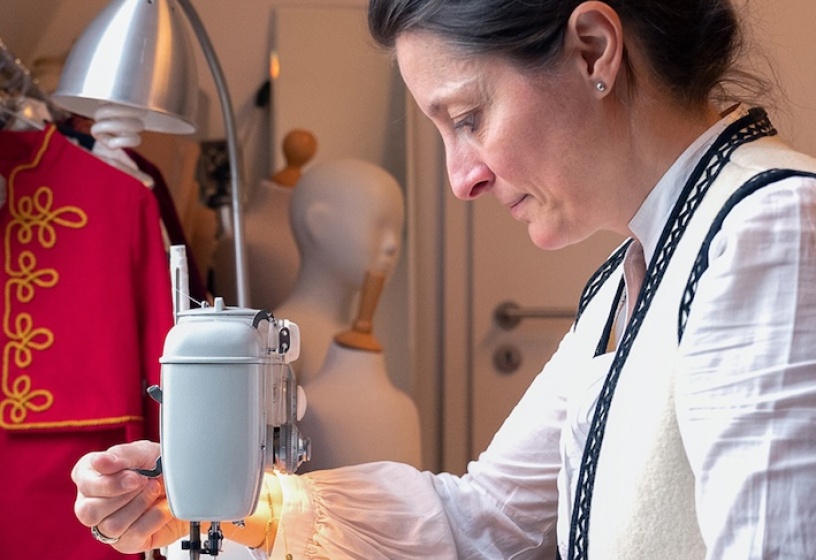
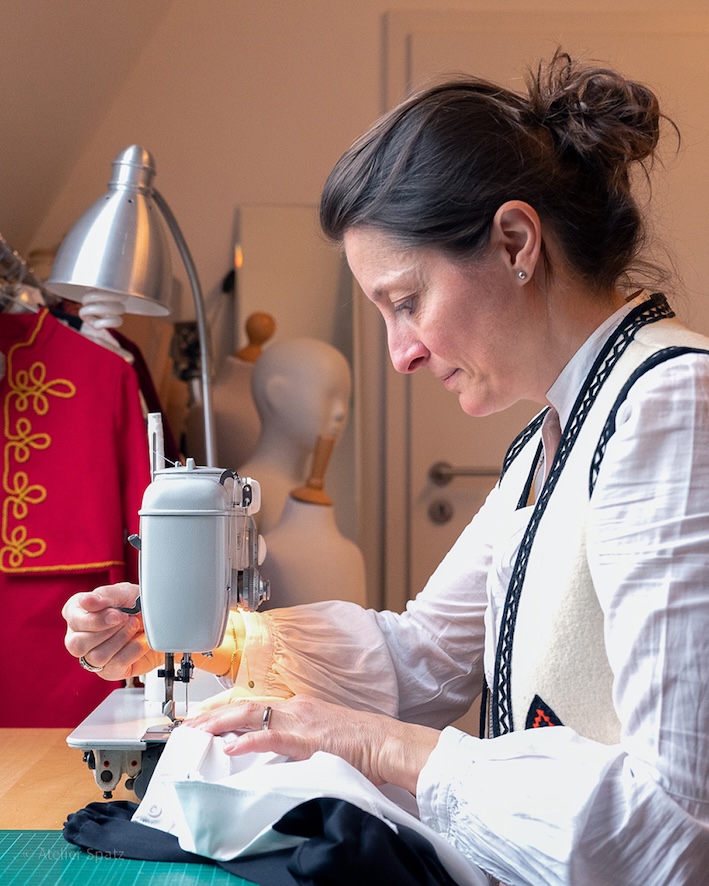
Since 2013, Johanna De Santis has been bringing children’s wildest dreams to life with handmade, sustainable costumes. Based in Luxembourg since 2022, she creates her timeless pieces in her design studio Spatz, where passion and craftsmanship come together. Each costume is a lovingly crafted treasure, made to be passed down through generations. Let’s open the dress-up trunk together...
You describe your mission as "adding a little magic to children’s dress-up trunks." What makes the magic you offer different from the costumes found elsewhere ?
The magic lies in how each costume is made: with creativity, care, and respect for the planet. Detailing that is added by hand gives a garment a character that can never be replicated in mass production. When crafting a bespoke design, a parent’s or child’s wishes are thoughtfully woven into the process, ensuring the piece is as personal as it is durable. The result is a costume that inspires play and lasts well beyond a single adventure. Magic made to be cherished and passed on to another generation!
How does your approach align with eco-responsible values, both in terms of material selection and production techniques?
Choosing more sustainable fabrics was one of the key factors for me starting to make children’s costumes. Fabrics such as linen, organic cotton, wool, and Tencel or Cupro are not just better for the planet, but also for our skin and my health when working with them. All these materials are renewable, biodegradable, and often produced with lower environmental impact than synthetics. Having said this, I must admit that polyesters cannot totally be avoided when making costumes.
When it comes to production,I work very much on the basis of slow- fashion principles: small-batch or made-to-order creation to avoid overproduction, efficient pattern layouts to reduce fabric waste, and the creative reuse of scraps for accessories or patchwork and using deadstock materials or remnants. These techniques reflect a zero- waste mindset rooted in traditional artisan practices, where every offcut finds a new purpose even when donated to my local arts teacher!
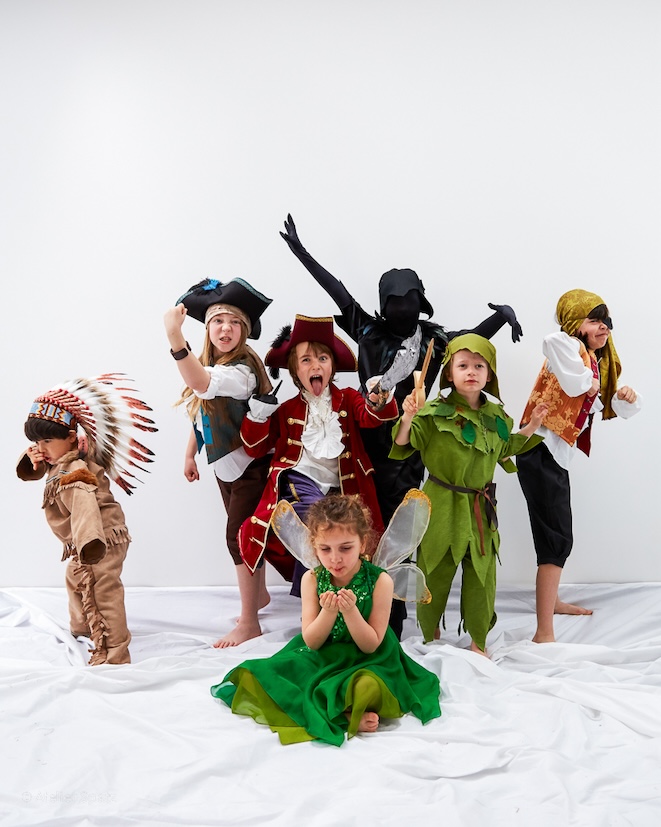
You say your costumes are designed to last. In practical terms, what does that look like?
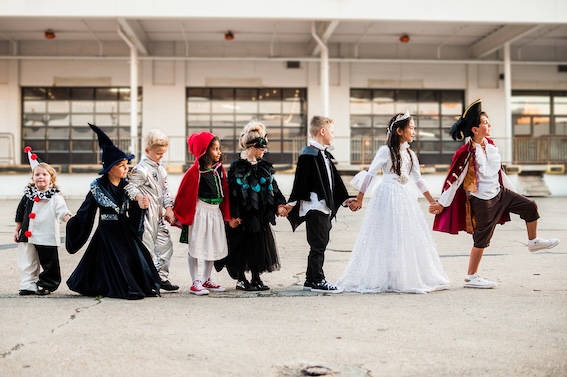
Durability and adaptability are built into my costumes wherever I can. Adjustable elements like upturned cuffs, elastic panels, or open fronted garments allow kids to grow and still use the garment. Plus, I design with longevity in mind; using strong seams, quality finishes, and timeless styles that can transform from one character to another ("one day a pirate, next day a prince"). The idea is that a costume should evolve with its wearer, be easily repaired or passed on, and remain part of imaginative play for years to come.
In an era where costumes are mass- produced and thrown away just as quickly, your approach seems to encourage a slower, more meaningful relationship with the objects we bring into our lives, and into our children’s. Is that part of your intention?
Absolutely. My work is about nurturing a different kind of relationship with clothing: one rooted in appreciation, care, and creativity. By emphasising quality over quantity and teaching children (and parents) to value what they already own, I hope to spark a shift away from disposable consumption. Recognising the versatility of a garment is part of this but also fostering the understanding in children of how much time it takes to make something that lasts and how things can be passed on to your little sibling or cousin. Sometimes I organise workshops with children to make a costume or upcycle a garment, where this point can be emphasised. It’s about slowing down, cherishing craft, and finding joy in the stories our clothes carry.