Conscious Closet: A Sustainable Fashion Tour of Luxembourg
Take a walk through Luxembourg City and you will discover another side of fashion, rooted in sustainability and ethical choices. Let us take you on a quick tour of a selection of great spots that showcase this vibe.
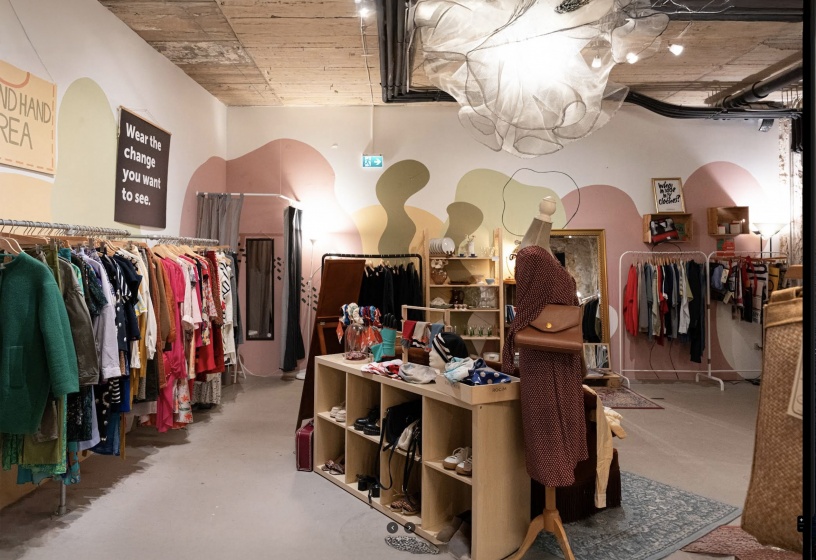
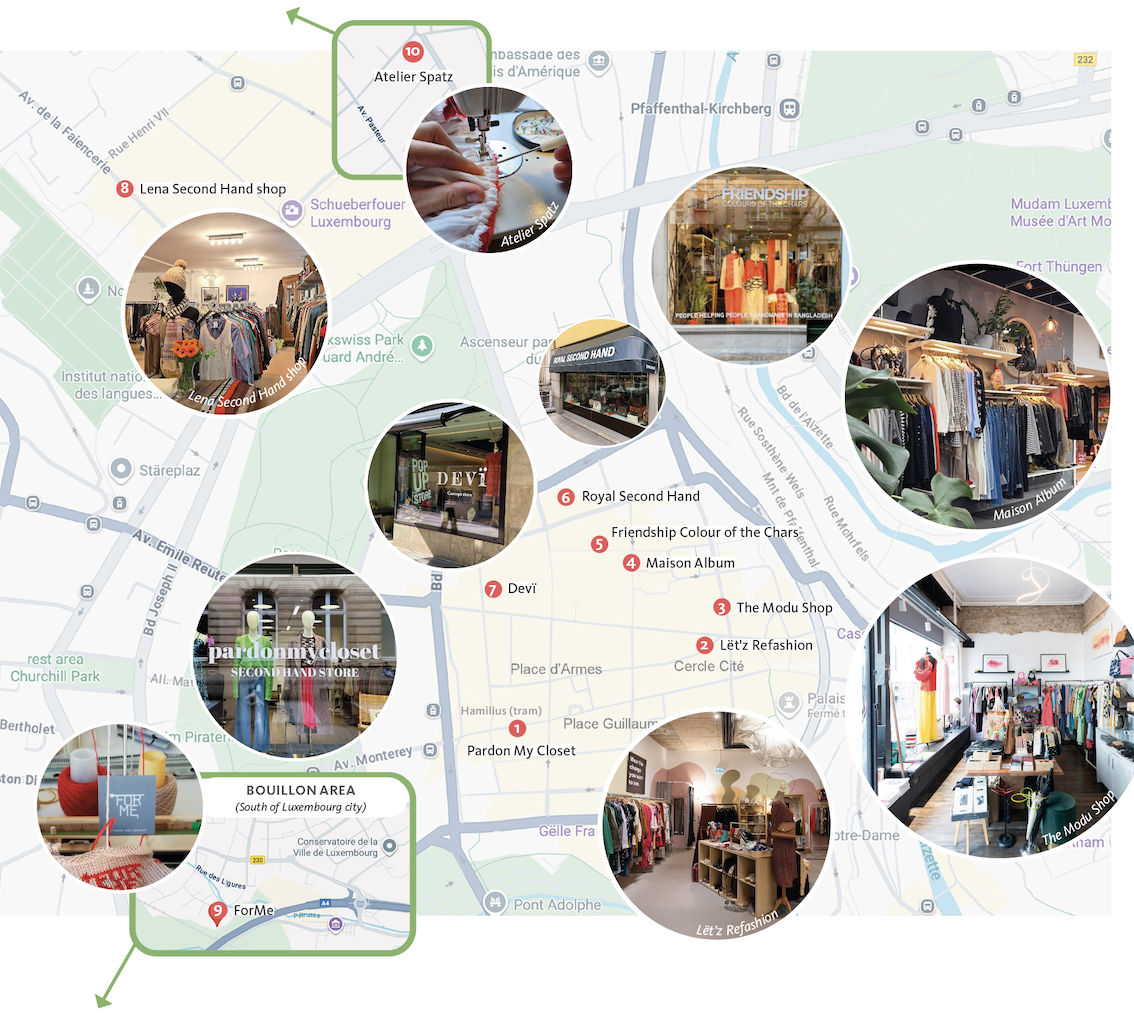
If you hop off the tram at Hamilius, you will be only a few steps away from Pardon my Closets, a boutique full of carefully selected pre-owned garments. A little further along, located at 8 rue Genistre, the Lët’z Refashion pop-up store combines creativity, sustainability, and local engagement. The shop, now managed by the non-profit organisation Hëllef Um Terrain, features a curated selection of second-hand and upcycled clothing from local designers. In addition to shopping, visitors can take part in regular workshops where they can learn how to sew, upcycle, and extend the life of their clothes. On Fridays, visitors are invited to bring in their own garments for personalised advice on how to customise or transform them. Local creators are frequently present to share their stories and engage directly with the public.
Next, stop at The Modu Shop, an independent concept store, showcasing a selection of contemporary fashion sourced from socially and environmentally responsible brands. The boutique promotes slow fashion by offering alternatives to mass-produced trend-driven apparel. A few streets over is Maison Album, a store offering an elegant second-hand collection. A little further, and you will find yourself in front of Royal Second Hand, a staple for pre-loved luxury and designer items. As your walk continues, step into Friendship Colours of the Chars shop, whose mission is to provide, through the sale of clothing, job opportunities for the women living in the rural islands of northern Bangladesh known as the Chars. Very close by, don’t miss Devï, an eco-friendly attire and decoration store that partners with artists and artisans around the world. They offer different collections made from upcycled fabrics and in ethical ateliers. Their partner Saheli Women, for example, a social enterprise located in Northern India and employing 60 women, creates garments out of repurposed sari material. If you still have not found your luck, continue your walk in Limperstberg where you can find Lena Second Hand Shop, specialising in a myriad of different styles.
Across town, next to Bouillon, it is also worth checking out ForMe, a Luxembourg-based knitwear brand founded in 2017 by Donatella Massoli. Each piece is individually crafted, making every creation truly one of a kind and designed to last. A good way to discover the unique feeling of wearing a garment that is 100% handmade, ethical, and made to stand the test of time.
Even specific needs can be met through sustainable fashion. Are you a business owner looking for an ethical option for your employees’ uniforms? Akabo might just be for you. They specialise in providing personalised garments for businesses, using only GOTS (Global Organic Textile Standard) and Fairtrade certified materials. Also, ActionWear recently started to include Fairtrade garment solutions in its range, tailored for businesses committed to sustainability and social responsibility.
Or are you, on a more festive note, looking for a dress for a special occasion? Give clothing rental a chance. Robe Parfaite, located in Bonnevoie, rents evening, cocktail and wedding dresses, offering an elegant alternative to fast fashion or one-off wear for special occasions, while helping to reduce fashion waste. Would you like to treat your child to an original costume designed with them in mind? Atelier Spatz may just be the tailor your child’s wild dress-up box has been waiting for. Or perhaps you’re searching for everyday wear for your children that is adjustable, non-toxic, and made from sustainable fabrics. Isabelle Forthomme, through her brand Art'Isa Kids, offers 100% local, handcrafted products.
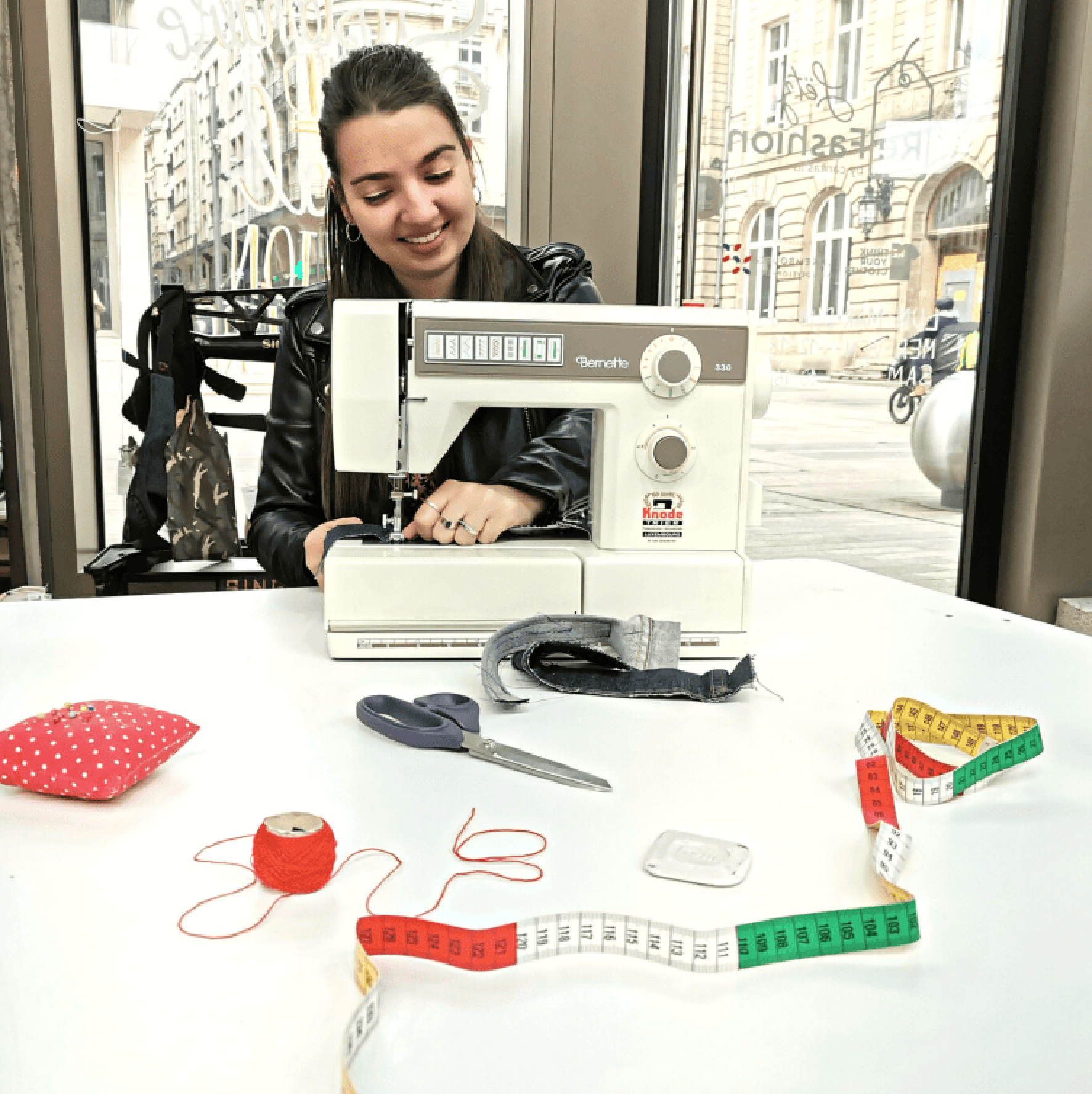
credit : Lët'z Refashion
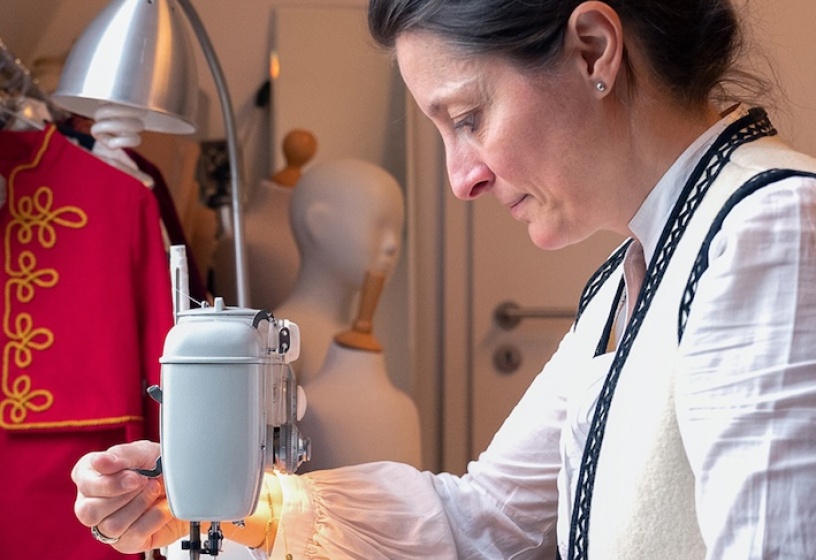
Sustainable fashion isn’t a trend; it is a habit of mindful consumption. Adopting habits, such as swapping clothes with friends and family, upcycling garments that no longer fit or suit your taste, and properly caring for your clothes by washing less frequently and air drying when possible, can significally extend a garment’s life. Bringing pieces you already own to a local tailor to repair, adjust or upcycle them, is another good way to give a second life to your wardrobe. The seamstresses at De Fil en Aiguille and at Un atelier, un lutin are just a few of the talented tailors in Luxembourg. Moreover, simply investing in fewer, higher-quality pieces likewise extends the lifespan of clothing while reducing waste. Finally, engaging in movement such as the "No New Clothes" 90-day challenge can serve as a powerful step toward more mindful consumption. This initiative encourages participants to refrain from buying new garments for 90 days, promoting reflection on personal shopping habits and the broader impact of overconsumption. The challenge is organised by Remake, an international non-profit organisation advocating for human rights and climate justice in the fashion industry.
Sustainable fashion in Luxembourg is a growing movement driven by conscious consumers and local initiatives. From second-hand stores and rental options to national campaigns and workshops, the tools for change are already present. Small habits and little changes in how we approach fashion, can help shift an entire industry.
Promoting Conscious Fashion Choices
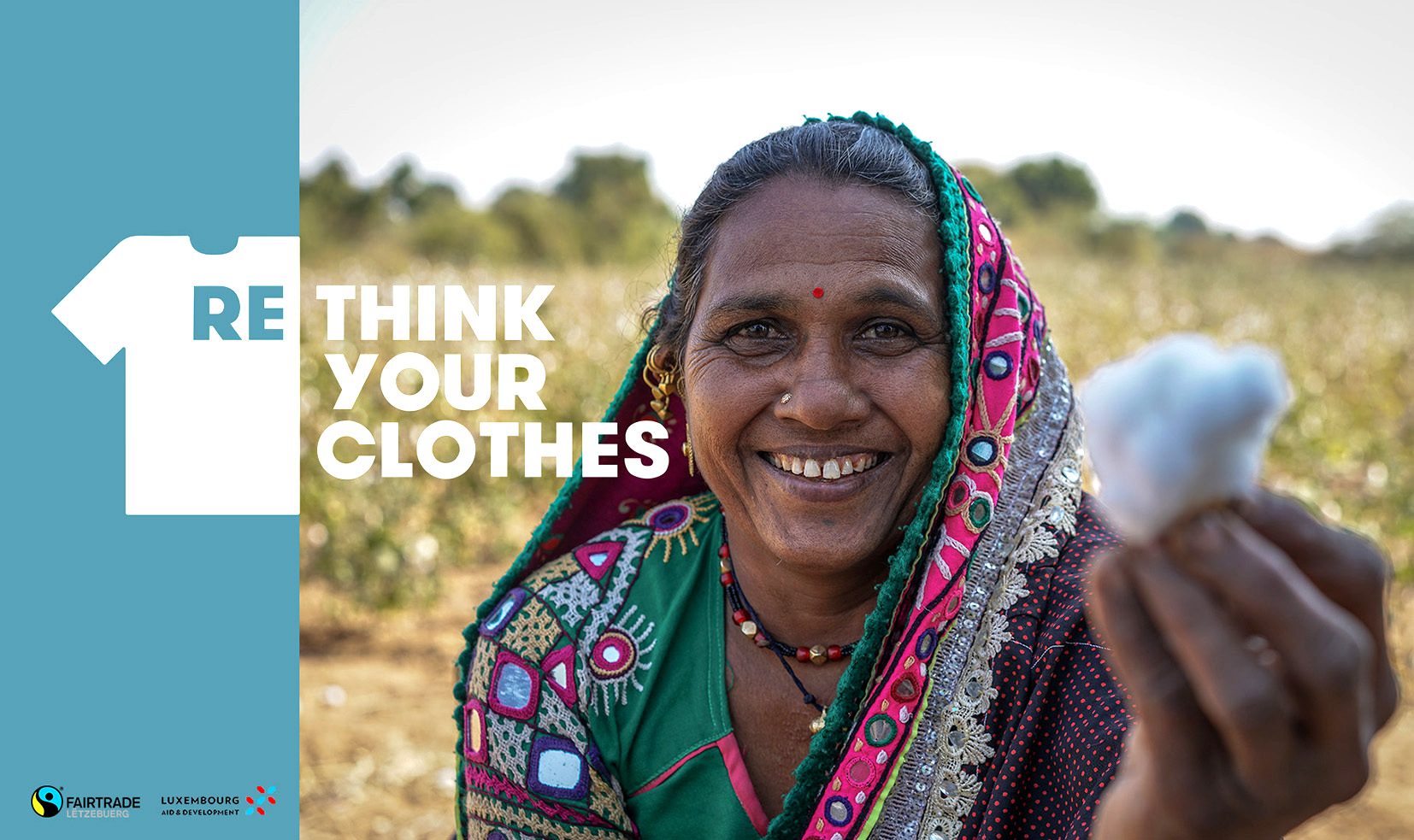
Among the most prominent efforts, the Rethink Your Clothes national campaign is an initiative by the NGO Fairtrade Lëtzebuerg and commissioned by Luxembourg Cooperation, which aims to raise awareness about the economic, social and environmental challenges within the global fashion industry. Through the annual Fair Fashion Days, exhibitions, educational workshops in schools and collaborative projects, the public is invited to reflect on the social and ecological impact of clothing production and consumption. In Larochette, the Textile Museum showcases the history of the textile industry in the region and displays the negative consequences of fast fashion, all while promoting sustainable alternatives. Also featured in this initiative, Fair Fashion Lab is an artistic project to design a sustainable collection using Fairtrade cotton.
An Annual Clothing Donation Campaign
Each year in November, IMS invites members of its network to organise an in-house clothing drive for their staff. This campaign is run in partnership with Spëndchen and Lëtz’Refashion. In 2024, 25 organisations, representing over 4,600 staff members, took part in the initiative, collecting a total of 2.6 tonnes of clothing. IMS provides communication, logistical, and awareness-raising support, while also emphasising a key message: taking part in a clothing drive is great but it must be done responsibly. Donations are only truly beneficial if the clothes are in good condition, high quality, and match the specific needs identified by partner associations. It is also essential that they are reused locally through a transparent and sustainable system like this one, rather than being shipped overseas or destroyed. Finally, this initiative should be part of a broader commitment to mindful consumption, not used as an excuse to make room for more shopping.